Polyclonal Antibodies
TBCA Rabbit Polyclonal Antibody for WB, IHC-P, ELISA - O75347
Item Number : CM0015719
Price varies based on specs and customizations
- Application
- WB, IHC-P, ELISA
- Cross Reactivity
- Human, Mouse, Rat
- Protein Weight
- 13kDa

Shipping:
Contact us to get shipping details Enjoy On-time Dispatch Guarantee.
Why Choose Us
Easy ordering process, quality products, and dedicated support for your business success.
Core Product Specifications and Parameters
| Parameter | Specification |
|---|---|
| Product Name | TBCA Rabbit pAb |
| Remarks/Alias | TBCA |
| Species | Human |
| GeneID (human) | 6902 |
| GeneID | 6902 |
| Immunogen | Recombinant fusion protein containing a sequence corresponding to amino acids 1-108 of human TBCA (NP_004598.1) |
| Source | Rabbit |
| Category | Polyclonal Antibodies |
| Application | WB, IHC-P, ELISA |
| Cross Reactivity | Human, Mouse, Rat |
| SWISS | O75347 |
| Protein Weight | 13kDa |
| Shipping | Ice bag |
Biological Background: TBCA Function and Localization
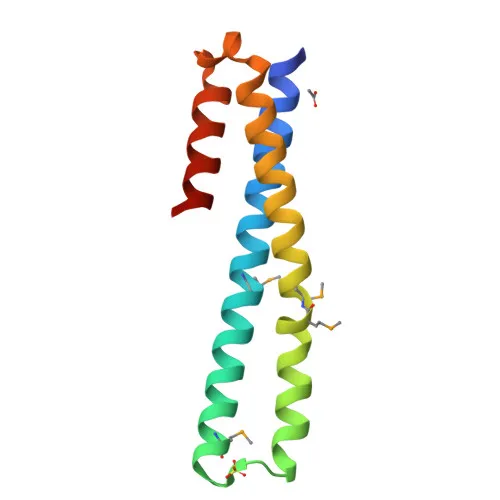
- TBCA (Tubulin-specific chaperone A), also known as TCP1-chaperonin cofactor A or tubulin-folding cofactor A (CFA), is a key component of the tubulin folding pathway.
- It functions as a tubulin-folding protein, specifically involved in the early step of tubulin heterodimer assembly, ensuring proper α/β-tubulin folding and preventing non-productive interactions.
- The protein is predominantly localized to the cytoplasm and associates with the cytoskeleton, reflecting its role in microtubule dynamics.
- TBCA is subject to post-translational acetylation, which may modulate its chaperone activity or interaction with tubulin.
- Alternative splicing generates multiple isoforms, potentially expanding its functional repertoire.
- Keywords from UniProt include 3D-structure, Chaperone, Cytoskeleton, Microtubule, and Reference proteome, underscoring its established structural and functional characterization.
Experimental Guidance and Technical Tips
- The immunogen spans the full-length TBCA protein (aa 1-108), suggesting broad epitope recognition; for WB, consider a standard denaturing protocol with a 13 kDa target and validate band specificity using positive and negative controls.
- For IHC-P, fix tissues appropriately and perform antigen retrieval as needed; a known TBCA-expressing tissue section (e.g., brain or testis) can serve as positive control, while pre-immune serum or blocking peptide helps confirm specificity.
- In ELISA, optimize coating antigen concentration and antibody dilution; check cross-reactivity with closely related chaperones if the target is part of a conserved family.
- Since TBCA is highly conserved across human, mouse, and rat, it is suitable for cross-species studies; always verify reactivity in your experimental system with a preliminary test.
CamelBio: Your One-Stop Sourcing Bridge
CamelBio supports diagnostic developers and researchers with a comprehensive portfolio of IVD raw materials, including this polyclonal antibody against the tubulin chaperone TBCA. Our one-stop platform streamlines procurement of validated antibody pairs, bulk ancillary reagents, and custom monoclonal or polyclonal antibodies, extending to rare-target raw material sourcing for microtubule and cytoskeleton research. Let CamelBio bridge your project from concept to clinic with reliable, scalable supply solutions.
REQUEST A QUOTE
Our professional team will reply to you within one business day. Please feel free to contact us!