Monoclonal Antibodies
Rabbit Anti-Human CD79B/Igβ Monoclonal Antibody () for Flow Cytometry - P40259
Item Number : CM0008437
Price varies based on specs and customizations
- Application
- FC
- Cross Reactivity
- Human
- Protein Weight
- 26kDa

Shipping:
Contact us to get shipping details Enjoy On-time Dispatch Guarantee.
Why Choose Us
Easy ordering process, quality products, and dedicated support for your business success.
Core Product Specifications and Parameters
| Parameter | Value |
|---|---|
| Product Name | Rabbit anti-Human CD79B/Igβ mAb |
| Remarks/Alias | B29; IGB; AGM6; Igbeta |
| Species | Human |
| GeneID (Human) | 974 |
| GeneID | 974 |
| Immunogen | Recombinant fusion protein containing a sequence corresponding to amino acids 29-159 of human CD79b/Igβ (NP_000617.1). |
| Source | Rabbit |
| Category | Monoclonal Antibodies |
| Application | FC |
| Cross Reactivity | Human |
| SWISS | P40259 |
| Protein Weight | 26kDa |
| Shipping | Ice bag |
Biological Background: CD79B/Igβ Function and Localization
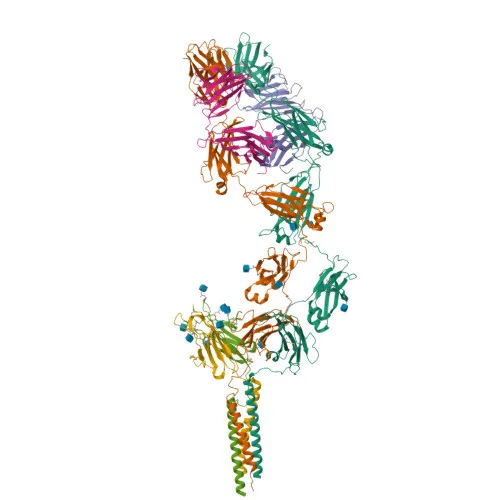
- CD79B, also known as B29, Ig-beta, or AGM6, is the beta chain of the B-cell antigen receptor complex. It is a type I transmembrane glycoprotein containing an extracellular immunoglobulin domain.
- In cooperation with CD79A (Ig-alpha), CD79B initiates the signal transduction cascade upon B-cell receptor (BCR) engagement, leading to receptor internalization and subsequent antigen presentation.
- CD79B enhances phosphorylation of CD79A, likely through the recruitment of kinases or by protecting CD79A from dephosphorylation, thereby amplifying BCR signaling.
- CD79B is predominantly expressed on the surface of B-cells, from early developmental stages through mature B-cells, and is essential for B-cell development and function.
- The protein localizes to the cell membrane as a component of the BCR complex, with its cytoplasmic tail containing immunoreceptor tyrosine-based activation motifs (ITAMs) for signal propagation.
- Post-translational modifications include phosphorylation on tyrosine residues within ITAMs, N-linked glycosylation, and disulfide bond formation, which are critical for its stability and signaling function.
- Mutations in the CD79B gene have been linked to primary immunodeficiencies and are observed in certain B-cell malignancies, highlighting its role in B-cell homeostasis.
- Alternative splicing of CD79B generates multiple isoforms, which may modulate BCR signaling dynamics.
Experimental Guidance and Technical Tips
- This antibody, raised against the extracellular region of CD79B, is ideal for detecting surface CD79B on live B cells by flow cytometry without the need for permeabilization, preserving cell viability.
- For flow cytometry assays, include proper compensation controls when using alongside other fluorochromes, as its emission profile may overlap with PE or similar dyes; consult spectral viewer tools for setup.
- Use an isotype control antibody conjugated to to assess non-specific binding and establish gating thresholds.
- Suitable sample sources include peripheral blood mononuclear cells (PBMCs), bone marrow samples, or dissociated lymphoid tissues. Co-staining with a B-cell marker (e.g., CD19) can confirm target specificity.
- Titration experiments are recommended to determine the optimal antibody concentration, reducing background and ensuring saturating binding for accurate quantification.
CamelBio: Your One-Stop Sourcing Bridge
CamelBio serves as a comprehensive sourcing partner for IVD raw materials, connecting diagnostic developers with high-quality reagents for immunology research. This anti-CD79B monoclonal antibody exemplifies our ability to supply validated monoclonal antibodies and bulk ancillary reagents for B-cell targeting applications. Whether you need established antibody pairs, custom antibody development, or rapid sourcing of rare targets, CamelBio streamlines your procurement from discovery to clinical manufacturing.
REQUEST A QUOTE
Our professional team will reply to you within one business day. Please feel free to contact us!