Monoclonal Antibodies
Rabbit anti-Human CD335/NKp46 Monoclonal Antibody for IF/ICC and FC - O76036
Item Number : CM0009028
Price varies based on specs and customizations
- Application
- IF/ICC, FC
- Cross Reactivity
- Human
- Protein Weight
- 21kDa/22kDa/23kDa/32kDa/34kDa

Shipping:
Contact us to get shipping details Enjoy On-time Dispatch Guarantee.
Why Choose Us
Easy ordering process, quality products, and dedicated support for your business success.
Core Product Specifications and Parameters
| Parameter | Value |
|---|---|
| Product Name | Rabbit anti-Human CD335/NKp46 mAb |
| Remarks/Alias | NCR1; CD335; LY94; NK-p46; NKP46; natural cytotoxicity triggering receptor 1 |
| Species | Human |
| GeneID (Human) | 9437 |
| GeneID | 9437 |
| Immunogen | Recombinant fusion protein containing a sequence corresponding to amino acids 22-254 of human CD335/NKp46 (NP_004820.2) |
| Source | Rabbit |
| Category | Monoclonal Antibodies |
| Application | IF/ICC, FC |
| Cross Reactivity | Human |
| SWISS | O76036 |
| Protein Weight | 21kDa/22kDa/23kDa/32kDa/34kDa |
| Shipping | Ice bag |
Biological Background: Natural cytotoxicity triggering receptor 1 (CD335/NKp46) Function and Localization
- The protein is a natural cytotoxicity triggering receptor (NCR1) also known as CD335, LY94, or NKp46. It belongs to the immunoglobulin superfamily and exists in multiple isoforms due to alternative splicing.
- It functions as a cytotoxicity-activating receptor that enhances the ability of activated natural killer (NK) cells to lyse tumor cells.
- CD335/NKp46 is selectively expressed on both resting and activated NK cells, serving as a specific marker for NK cell identification.
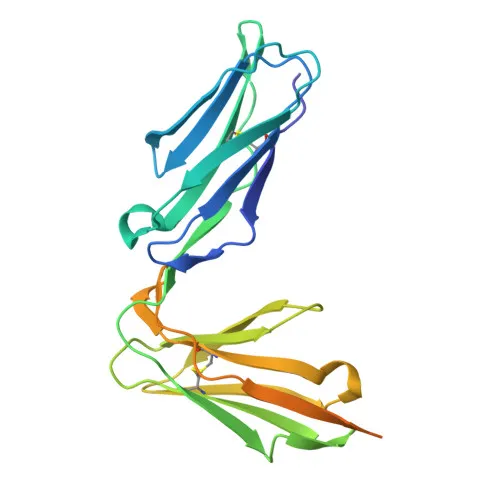
- The receptor is a type I transmembrane glycoprotein located on the cell membrane, with an extracellular region containing two immunoglobulin-like domains.
- Post-translational modifications include N-linked glycosylation and disulfide bond formation, contributing to its structural stability.
- The gene NCR1 maps to human chromosome 19 and encodes a protein with a predicted molecular weight of approximately 34.5 kDa, though observed bands may vary due to glycosylation (21-34 kDa range).
Experimental Guidance and Technical Tips
- The immunogen comprises the extracellular domain (aa 22-254) of human CD335/NKp46, which is exposed on the cell surface; this design is suitable for detecting the native receptor.
- For immunofluorescence (IF/ICC), consider using acetone-fixed or paraformaldehyde-fixed cell preparations, and include a negative control lacking the primary antibody to assess background.
- For flow cytometry (FC), direct conjugation with eliminates the need for a secondary antibody; ensure the fluorophore is compatible with your instrument’s laser and filter configurations (excitation/emission similar to Alexa Fluor 594).
- Expressing cells or NK cell lines should be used as positive controls; freshly isolated human PBMCs can serve as a source of endogenous CD335/NKp46-expressing NK cells.
- Due to glycosylation heterogeneity, multiple bands may appear in western blotting; if WB is attempted, note that the epitope may be denatured by reducing and boiling conditions.
CamelBio: Your One-Stop Sourcing Bridge
CamelBio offers integrated access to IVD raw materials, supporting diagnostic developers from discovery to commercialization. For NK cell research and immunophenotyping, we supply a range of validated monoclonal antibodies, matched antibody pairs, and ancillary reagents. Whether you need bulk antibodies, custom conjugation, or rare target sourcing, CamelBio is your reliable partner.
REQUEST A QUOTE
Our professional team will reply to you within one business day. Please feel free to contact us!