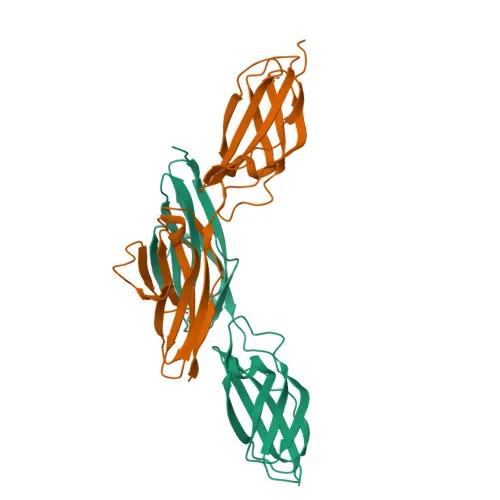
Monoclonal Antibodies
PE Rabbit anti-Human CD56/NCAM1 Monoclonal Antibody for FC - P13591
Item Number : CM0009791
Price varies based on specs and customizations
- Application
- FC
- Cross Reactivity
- Human
- Protein Weight
- 95kDa

Shipping:
Contact us to get shipping details Enjoy On-time Dispatch Guarantee.
Why Choose Us
Easy ordering process, quality products, and dedicated support for your business success.
Core Product Specifications and Parameters
| Parameter | Value |
|---|---|
| Product Name | PE Rabbit anti-Human CD56/NCAM1 mAb |
| Remarks/Alias | CD56; NCAM; MSK39 |
| Species | Human |
| Gene ID | 4684 |
| Immunogen | Recombinant fusion protein containing a sequence corresponding to amino acids 20-413 of human CD56/NCAM1 (NP_851996.2) |
| Source | Rabbit |
| Category | Monoclonal Antibodies |
| Application | FC |
| Cross Reactivity | Human |
| SWISS | P13591 |
| Protein Weight | 95kDa |
| Shipping | Ice bag |
Biological Background: NCAM1 Function and Localization
- Encodes neural cell adhesion molecule 1 (NCAM1), a member of the immunoglobulin superfamily involved in homophilic and heterophilic cell-cell adhesion.
- Plays a central role in neuron-neuron adhesion, neurite fasciculation, and promotion of neurite outgrowth during nervous system development and plasticity.
- Acts as a host cell receptor for rabies virus and Zika virus, mediating viral entry into cells.
- Localizes predominantly to the cell membrane, with multiple isoforms arising from alternative splicing, including transmembrane and GPI-anchored forms; secreted isoforms have also been reported.
- Contains extracellular immunoglobulin-like domains and fibronectin type III repeats, facilitating interactions with other NCAM molecules and extracellular matrix components.
- Post-translationally modified by N-linked glycosylation and phosphorylation, which modulate its adhesive properties and intracellular signaling.
- Expressed broadly in neural tissues, with additional expression in natural killer cells, subsets of T lymphocytes, and various tumors, serving as a clinical marker (CD56) in immunophenotyping.
Experimental Guidance and Technical Tips
- The immunogen covers the extracellular domain (amino acids 20–413), suggesting the antibody likely recognizes an epitope accessible on live cells for flow cytometry.
- For flow cytometry, titrate the PE conjugate to determine optimal staining concentration and include appropriate Fc receptor blocking to reduce nonspecific binding.
- Validate the antibody in human samples known to express CD56, such as NK cell lines, primary NK cells, or neuronal cell lines, and use isotype controls to confirm specificity.
- If studying viral receptor function, consider using the antibody in competitive binding assays or to monitor NCAM1 expression modulation upon pathogen challenge.
- Note that due to alternative splicing, some NCAM1 isoforms may not be detected if the epitope is masked or absent; confirm with appropriate recombinant controls if needed.
CamelBio: Your One-Stop Sourcing Bridge
CamelBio serves as a comprehensive one-stop sourcing partner for IVD raw materials, offering a reliable supply chain for validated monoclonal antibodies, ancillary reagents, and rare target procurables. Our product portfolio, including this PE-conjugated anti-CD56 antibody, addresses key research areas such as neurobiology, immunology, and virology. Whether you need bulk anti-NCAM antibodies for diagnostic kit development or specialized reagents for viral entry studies, CamelBio bridges the gap from concept to clinic with technical and supply chain support.
REQUEST A QUOTE
Our professional team will reply to you within one business day. Please feel free to contact us!