Polyclonal Antibodies
LIMK1 Rabbit Polyclonal Antibody for WB and ELISA - P53667
Item Number : CM0019193
Price varies based on specs and customizations
- Application
- WB, ELISA
- Cross Reactivity
- Human, Mouse, Rat
- Protein Weight
- 73kDa

Shipping:
Contact us to get shipping details Enjoy On-time Dispatch Guarantee.
Why Choose Us
Easy ordering process, quality products, and dedicated support for your business success.
Core Product Specifications and Parameters
| Parameter | Value |
|---|---|
| Product Name | LIMK1 Rabbit pAb |
| Remarks/Alias | LIMK; LIMK-1; LIMK1 |
| Species | Human |
| Gene ID | 3984 |
| Immunogen | Recombinant fusion protein containing a sequence corresponding to amino acids 510-647 of LIMK1 (NP_002305.1) |
| Source | Rabbit |
| Category | Polyclonal Antibodies |
| Application | WB, ELISA |
| Cross Reactivity | Human, Mouse, Rat |
| SWISS | P53667 |
| Protein Weight | 73kDa |
| Shipping | Ice bag |
Biological Background: LIMK1 Function and Localization
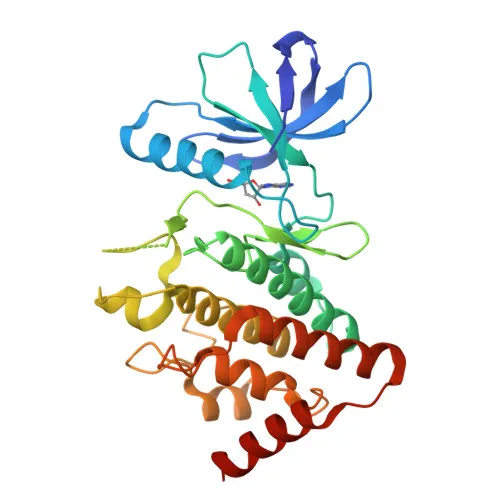
- LIMK1 (LIM domain kinase 1) is a serine/threonine-protein kinase that contains N-terminal LIM and PDZ domains, and is a key regulator of actin filament dynamics.
- It phosphorylates and inactivates cofilin (CFL1/CFL2) and destrin (DSTN), thereby preventing F‑actin depolymerization and stabilizing the actin cytoskeleton; this process controls cell motility, cell cycle progression, and differentiation (PubMed:10436159, PubMed:11832213, PubMed:12807904, PubMed:15660133, PubMed:16230460). Related references: PMID:10436159 PMID:11832213 PMID:12807904 PMID:15660133 PMID:16230460
- Activated downstream of Rho GTPase pathways by upstream kinases ROCK1, PAK1, and PAK4, which phosphorylate the threonine residue in its activation loop (PubMed:10436159). Related references: PMID:10436159
- Localizes to the cytoplasm, nucleus, cytoskeleton, and cell protrusions such as lamellipodia.
- Highest expression is found in the nervous system (adult and fetal), particularly the cerebral cortex, with lower levels in heart and skeletal muscle.
- Additionally, LIMK1 phosphorylates TPPP to promote microtubule disassembly and stimulates axonal outgrowth, suggesting a role in brain development (PubMed:18028908). Related references: PMID:18028908
- Associated with Williams-Beuren syndrome; features zinc-binding LIM domains, ATP-binding kinase domain, and undergoes alternative splicing and ubiquitination.
Experimental Guidance and Technical Tips
- The immunogen was designed against a recombinant fragment spanning amino acids 510–647 of human LIMK1, covering part of the kinase domain and C‑terminal regulatory sequences; this design should allow recognition of total LIMK1 protein and potentially multiple isoforms.
- For Western blot, use standard denaturing/reducing SDS‑PAGE conditions; expect a band near 73 kDa. Validate with appropriate positive controls (e.g., brain or skeletal muscle lysate) and confirm specificity using siRNA knockdown or overexpression if required.
- In ELISA, this antibody can be used for indirect detection of LIMK1; optimize coating antigen concentration and antibody dilutions according to your plate format and detection system.
- Cross-reactivity is expected with human, mouse, and rat based on sequence homology; verify performance in the relevant sample system prior to high‑throughput assays.
CamelBio: Your One-Stop Sourcing Bridge
CamelBio is a dedicated IVD raw-material partner, offering a wide range of antibodies and reagents for cytoskeleton and neurobiology research. In addition to this anti-LIMK1 polyclonal antibody, we provide validated antibody pairs, optimized monoclonal/polyclonal antibodies, bulk ancillary reagents, and rare target sourcing solutions. Accelerate your diagnostic assay development from concept to clinic with CamelBio's integrated supply and technical support.
REQUEST A QUOTE
Our professional team will reply to you within one business day. Please feel free to contact us!