Polyclonal Antibodies
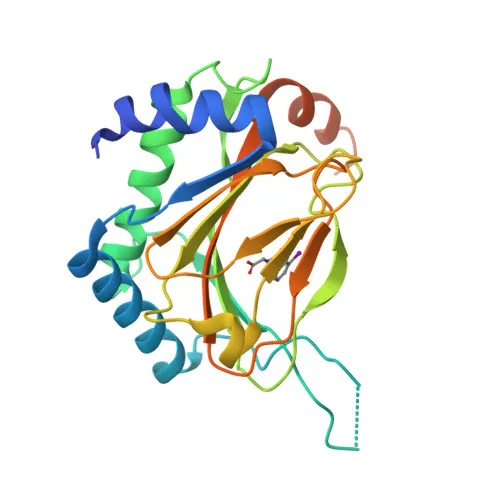
KO Validated Anti-PHD2/EGLN1 Rabbit Polyclonal Antibody for WB, IHC-P, IF/ICC, ELISA - Q9GZT9
Item Number : CM0018123
Price varies based on specs and customizations
- Application
- WB, IHC-P, IF/ICC, ELISA
- Cross Reactivity
- Human, Mouse, Rat
- Protein Weight
- 46kDa

Shipping:
Contact us to get shipping details Enjoy On-time Dispatch Guarantee.
Why Choose Us
Easy ordering process, quality products, and dedicated support for your business success.
Core Product Specifications and Parameters
| Parameter | Value |
|---|---|
| Product Name | [KO Validated] PHD2/EGLN1 Rabbit pAb |
| Remarks/Alias | HPH2; PHD2; SM20; ECYT3; HALAH; HPH-2; HIFPH2; ZMYND6; C1orf12; HIF-PH2; N1 |
| Species | Human |
| GeneID (human) | 54583 |
| GeneID | 54583 |
| Immunogen | Synthetic peptide |
| Source | Rabbit |
| Category | Polyclonal Antibodies |
| Application | WB, IHC-P, IF/ICC, ELISA |
| Cross Reactivity | Human, Mouse, Rat |
| SWISS | Q9GZT9 |
| Protein Weight | 46kDa |
| Shipping | Ice bag |
Biological Background: PHD2/EGLN1 Function and Localization
- Egl nine homolog 1 (EGLN1), commonly known as PHD2, is a hypoxia-inducible factor (HIF) prolyl hydroxylase and the primary oxygen sensor under normoxic conditions.
- PHD2 catalyzes the hydroxylation of specific proline residues within the oxygen-dependent degradation domains of HIF1A and HIF2A, leading to VHL-mediated ubiquitination and proteasomal degradation.
- Under hypoxia, PHD2 activity is reduced, allowing HIFα stabilization, nuclear translocation, and transcriptional activation of genes involved in angiogenesis, erythropoiesis, and metabolic adaptation.
- The enzyme belongs to the EGLN family of dioxygenases and contains a zinc-finger motif; it requires iron, 2-oxoglutarate, and ascorbate as cofactors for its catalytic function.
- Multiple isoforms are produced by alternative splicing, and post-translational modifications such as acetylation, phosphorylation, and S-nitrosylation have been reported.
- Subcellularly, PHD2 localizes predominantly to the cytoplasm but can also be detected in the nucleus.
- PHD2 is widely expressed, with highest levels in skeletal muscle, heart, brain, and kidney; it is also found in cardiac myocytes, aortic endothelial cells, and coronary artery smooth muscle.
Experimental Guidance and Technical Tips
- The immunogen is a synthetic peptide corresponding to the N-terminal region (aa 1-100) of human PHD2; consider using a blocking peptide for specificity controls.
- For Western blotting, a starting dilution range of 1:500–1:2000 is typical; validate the optimal dilution in your sample system and note an expected band at ~46 kDa.
- For IHC-P, antigen retrieval may be required; test citrate or EDTA-based protocols and include appropriate positive controls (e.g., heart or skeletal muscle tissue).
- For IF/ICC, fixation and permeabilization conditions should be optimized; PHD2 is detected in the cytoplasm and nucleus.
- The antibody has been validated in KO samples; always include knockout or knockdown controls when investigating target specificity.
CamelBio: Your One-Stop Sourcing Bridge
CamelBio provides a streamlined sourcing experience for IVD raw materials, offering validated antibody pairs, optimized monoclonal and polyclonal antibodies, bulk ancillary reagents, and rare target sourcing. This PHD2/EGLN1 antibody supports research into hypoxia signaling and related disease areas, and our team can assist with procurement of complementary reagents to accelerate your assay development and diagnostic manufacturing.
REQUEST A QUOTE
Our professional team will reply to you within one business day. Please feel free to contact us!