Polyclonal Antibodies
HDAC6 Rabbit Polyclonal Antibody (WB, IHC-P, ELISA) - Q9UBN7
Item Number : CM0021562
Price varies based on specs and customizations
- Application
- WB, IHC-P, ELISA
- Cross Reactivity
- Human, Mouse, Rat
- Protein Weight
- 131kDa

Shipping:
Contact us to get shipping details Enjoy On-time Dispatch Guarantee.
Why Choose Us
Easy ordering process, quality products, and dedicated support for your business success.
Core Product Specifications and Parameters
| Parameter | Value |
|---|---|
| Product Name | HDAC6 Rabbit pAb |
| Remarks/Alias | HD6; JM21; CPBHM; PPP1R90; HDAC6 |
| Species | Human |
| GeneID | 10013 |
| Immunogen | Recombinant protein|Recombinant fusion protein containing a sequence corresponding to amino acids 1-200 of human HDAC6 (NP_006035.2). |
| Source | Rabbit |
| Category | Polyclonal Antibodies |
| Application | WB, IHC-P, ELISA |
| Cross Reactivity | Human, Mouse, Rat |
| SWISS | Q9UBN7 |
| Protein Weight | 131kDa |
| Shipping | Ice bag |
Biological Background: HDAC6 Function and Localization
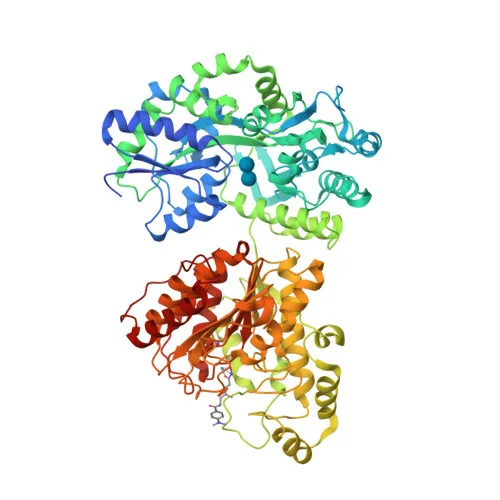
- HDAC6 is a cytoplasmic protein deacetylase with intrinsic E3 ubiquitin ligase activity, characterized by tandem deacetylase domains and a C-terminal zinc-finger ubiquitin-binding domain.
- It promotes microtubule-dependent cell motility by deacetylating α-tubulin at Lys-40, leading to microtubule destabilization and cilia disassembly (PubMed:12024216, 20308065, 26246421). Related references: PMID:12024216 PMID:20308065 PMID:26246421 PMID:17604723
- HDAC6 belongs to the class IIb histone deacetylase family and is unique for its cytoplasmic localization, tandem catalytic domains, and ubiquitin-binding SE14 repeats.
- It localizes to the cytoplasm, microtubule cytoskeleton, centrosome, basal body, nucleus, and cell projections including axons, dendrites, and cilia.
- HDAC6 serves as a key mediator of aggresome formation and autophagic clearance by binding polyubiquitinated misfolded proteins and transporting them to the aggresome (PubMed:17846173). Related references: PMID:17846173
- It deacetylates a broad array of non-histone substrates, including CTTN (PubMed:30538141), SQSTM1 (PubMed:31857589), peroxiredoxins (PubMed:18606987), MSH2 (PubMed:24882211), MLH1 (PubMed:30770470), SP1 (PubMed:38534334), KHDRBS1 (PubMed:26080397), and TET2 (PubMed:39567688), impacting processes from actin dynamics and autophagy to DNA repair and gene expression. Related references: PMID:30538141 PMID:31857589 PMID:18606987 PMID:24882211 PMID:30770470 PMID:38534334 PMID:26080397 PMID:39567688
- Acts as a valine sensor: in valine-deprived conditions, HDAC6 translocates to the nucleus, deacetylates TET2, and promotes DNA demethylation and damage (PubMed:39567688). Related references: PMID:39567688
- During SARS-CoV-2 infection, HDAC6 deacetylates the viral nucleocapsid protein, enhancing its interaction with G3BP1 to disrupt stress granule formation and promote viral replication.
Experimental Guidance and Technical Tips
- The immunogen encompasses the N-terminal 200 amino acids of human HDAC6; epitope mapping suggests suitability for detecting full-length and major isoforms (~131 kDa) in Western blot.
- For WB, consider denaturing conditions and verify antibody specificity in HDAC6 knockdown/knockout lysates when available.
- IHC-P application may require antigen retrieval; validate in paraffin-embedded tissue microarrays representing human, mouse, or rat samples.
- ELISA can be optimized using recombinant HDAC6 protein as standard; test cross-reactivity with other HDAC family members.
CamelBio: Your One-Stop Sourcing Bridge
CamelBio supplies validated polyclonal antibodies, recombinant antigens, and ancillary reagents to support HDAC6-related research and diagnostic assay development. As a one-stop IVD raw-material partner, we also offer antibody pair screening, bulk production, and custom sourcing for rare targets, enabling seamless transition from concept to clinical application.
REQUEST A QUOTE
Our professional team will reply to you within one business day. Please feel free to contact us!