Monoclonal Antibodies
APC Rabbit anti-Human MERTK Monoclonal Antibody for FC - Q12866
Item Number : CM0004944
Price varies based on specs and customizations
- Application
- FC
- Cross Reactivity
- Human
- Protein Weight
- 110kDa

Shipping:
Contact us to get shipping details Enjoy On-time Dispatch Guarantee.
Why Choose Us
Easy ordering process, quality products, and dedicated support for your business success.
Core Product Specifications and Parameters
| Parameter | Value |
|---|---|
| Product Name | APC Rabbit anti-Human MERTK mAb |
| Remarks/Alias | MERTK; MER; RP38; Tyro12; c-Eyk; c-mer; tyrosine-protein kinase Mer |
| Species | Human |
| GeneID (Human) | 10461 |
| GeneID | 10461 |
| Immunogen | Recombinant fusion protein containing a sequence corresponding to amino acids 26-499 of human MERTK (NP_006334.2) |
| Source | Rabbit |
| Category | Monoclonal Antibodies |
| Application | FC |
| Cross Reactivity | Human |
| SWISS | Q12866 |
| Protein Weight | 110kDa |
| Shipping | Ice bag |
Biological Background: MERTK Function and Localization
- MERTK binds ligands such as GAS6, LGALS3, TUB, and TULP1, functioning as a receptor tyrosine kinase that transduces signals from the extracellular matrix to regulate processes including cell survival, migration, and differentiation.
- Upon ligand-induced autophosphorylation, MERTK interacts with GRB2 or PLCG2, leading to phosphorylation of MAPK1, MAPK2, FAK/PTK2, and RAC1, which mediates macrophage clearance of apoptotic cells, platelet aggregation, and cytoskeleton reorganization (PubMed:32640697). Related references: PMID:32640697
- In retinal pigment epithelium (RPE), MERTK is critical for phagocytosis of rod outer segment fragments.
- MERTK also inhibits Toll-like receptor (TLR)-mediated innate immune responses by activating STAT1, which induces suppressors of cytokine signaling SOCS1 and SOCS3.
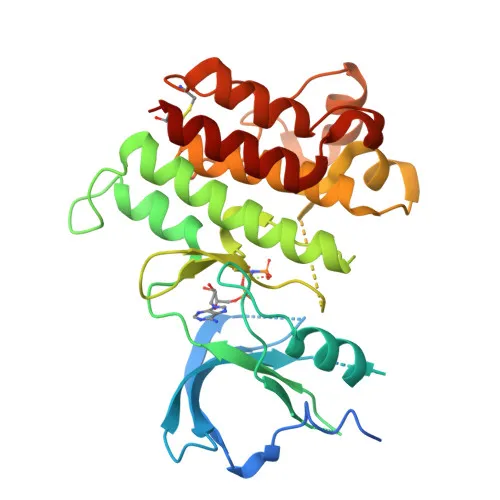
- The protein localizes to the cell membrane and contains characteristic domains including immunoglobulin-like, kinase, and transmembrane regions.
- Tissue expression is high in testis, ovary, prostate, lung, and kidney, with lower levels in spleen, small intestine, colon, and liver; notably absent from normal B- and T-lymphocytes but expressed in many neoplastic cell lines.
Experimental Guidance and Technical Tips
- The immunogen corresponds to the extracellular domain (aa 26-499), which is exposed on the cell surface; validating surface staining by flow cytometry is appropriate.
- For FC applications, consider using appropriate isotype controls and titrate the antibody for optimal signal-to-noise ratio.
- Given the role of MERTK in efferocytosis and cancer, this antibody may be useful for phenotyping macrophages or tumor cells.
- Since MERTK is not expressed in normal lymphocytes, ensure proper gating strategies.
CamelBio: Your One-Stop Sourcing Bridge
CamelBio provides diagnostic manufacturers, labs, and research institutes with comprehensive access to IVD raw materials, including validated antibody pairs, recombinant proteins, and ancillary reagents. For MERTK-related studies in immunology, oncology, and retinal biology, we offer optimized monoclonal antibodies, bulk production, and technical support to streamline your assay development from concept to clinic.
REQUEST A QUOTE
Our professional team will reply to you within one business day. Please feel free to contact us!