Polyclonal Antibodies
Anti-USP15 Rabbit Polyclonal Antibody for WB, IP, IF/ICC, ELISA - Q9Y4E8
Item Number : CM0013423
Price varies based on specs and customizations
- Application
- WB, IP, IF/ICC, ELISA
- Cross Reactivity
- Human, Mouse, Rat
- Protein Weight
- 112 kDa

Shipping:
Contact us to get shipping details Enjoy On-time Dispatch Guarantee.
Why Choose Us
Easy ordering process, quality products, and dedicated support for your business success.
Core Product Specifications and Parameters
| Parameter | Value |
|---|---|
| Product Name | USP15 Rabbit pAb |
| Remarks/Alias | UNPH4; UNPH-2; USP15 |
| Species | Human |
| GeneID (human) | 9958 |
| GeneID | 9958 |
| Immunogen | Synthetic peptide|A synthetic peptide of human USP15 |
| Source | Rabbit |
| Category | Polyclonal Antibodies |
| Application | WB, IP, IF/ICC, ELISA |
| Cross Reactivity | Human, Mouse, Rat |
| SWISS | Q9Y4E8 |
| Protein Weight | 112 kDa |
| Shipping | Ice bag |
Biological Background: USP15 Function and Localization
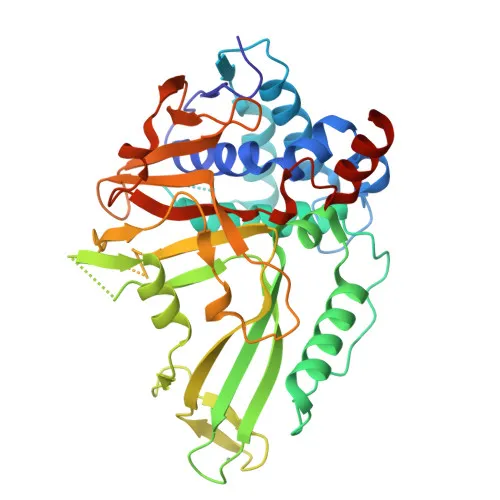
- USP15 (Unph-2, Unph4) is a deubiquitinating enzyme belonging to the ubiquitin-specific protease family.
- It functions as a hydrolase that removes conjugated ubiquitin from target proteins, regulating pathways such as TGF-beta receptor signaling, NF-kappa-B, and the RNF41/PRKN pathway. Related references: PMID:16005295 PMID:17318178 PMID:19576224
- In TGF-beta signaling, USP15 deubiquitinates monoubiquitinated R-SMADs (SMAD1/2/3) to promote target gene activation, or alternatively stabilizes TGFBR1 via deubiquitination. Related references: PMID:21947082 PMID:22344298
- USP15 deubiquitinates histone H2B, potentially regulating gene expression and DNA repair. Related references: PMID:24526689
- It inhibits mitophagy by counteracting parkin, cleaving polyubiquitin chains on mitochondrial substrates such as MFN2. Related references: PMID:24852371
- USP15 is involved in endosome organization via deubiquitination of SQSTM1, and negatively regulates antifungal immunity by deubiquitinating CARD9. Related references: PMID:27368102 PMID:33093067
- USP15 localizes to the cytoplasm, nucleus, and mitochondria, and is expressed in skeletal muscle, kidney, heart, placenta, liver, thymus, lung, and ovary.
Experimental Guidance and Technical Tips
- Given the synthetic peptide immunogen, the antibody likely recognizes the specified epitope. Validate specificity in knockout or knockdown models where possible.
- For Western blotting, the USP15 protein runs at approximately 112 kDa. Use an appropriate gel percentage (e.g., 8% Tris-Glycine) and ensure thorough transfer for high molecular weight proteins. Consider a wet transfer at low voltage overnight.
- In immunoprecipitation, a synthetic peptide-derived pAb may perform well. Cross-link the antibody to Protein A/G beads if co-eluting antibody chains interfere with detection of target at ~112 kDa.
- For immunofluorescence/ICC, account for the dual nuclear and cytoplasmic/mitochondrial localization of USP15. Optimize permeabilization (e.g., 0.1% Triton X-100) to allow antibody access to all compartments.
CamelBio: Your One-Stop Sourcing Bridge
CamelBio provides diagnostic manufacturers and research labs with validated antibody pairs, optimized monoclonal/polyclonal antibodies, and bulk ancillary reagents, streamlining supply from concept to clinic. This anti-USP15 antibody supports investigations into ubiquitin-dependent signaling and deubiquitinase-related pathways, with applications in cancer, immune regulation, and neurodegenerative disease research. For rare target raw materials or comprehensive technical consulting, we serve as your dedicated sourcing partner.
REQUEST A QUOTE
Our professional team will reply to you within one business day. Please feel free to contact us!