Polyclonal Antibodies
Anti-Troponin I2 (TNNI2) Rabbit Polyclonal Antibody for WB, ELISA - P48788
Item Number : CM0025050
Price varies based on specs and customizations
- Application
- WB, ELISA
- Cross Reactivity
- Mouse, Rat
- Protein Weight
- 21kDa

Shipping:
Contact us to get shipping details Enjoy On-time Dispatch Guarantee.
Why Choose Us
Easy ordering process, quality products, and dedicated support for your business success.
Core Product Specifications and Parameters
| Parameter | Value |
|---|---|
| Product Name | Troponin I2 (TNNI2) Rabbit pAb |
| Remarks/Alias | DA2B; FSSV; DA2B1; fsTnI; AMCD2B; Troponin I2 (TNNI2) |
| Species | Human |
| Gene ID (Human) | 7136 |
| Immunogen | Recombinant fusion protein containing a sequence corresponding to amino acids 1-100 of human Troponin I2 (TNNI2) (NP_003273.1) |
| Source | Rabbit |
| Category | Polyclonal Antibodies |
| Application | WB, ELISA |
| Cross Reactivity | Mouse, Rat |
| SWISS | P48788 |
| Protein Weight | 21kDa |
| Shipping | Ice bag |
Biological Background: Troponin I, fast skeletal muscle Function and Localization
- Troponin I, fast skeletal muscle (TNNI2) is the inhibitory subunit of the troponin complex in fast-twitch skeletal muscle fibers, where it regulates calcium-dependent actomyosin ATPase activity.
- The protein binds actin within the thin filament regulatory complex, thereby conferring calcium sensitivity to striated muscle contraction.
- TNNI2 undergoes alternative splicing, producing distinct isoforms that may contribute to functional diversity in different muscle types.
- Post-translational modifications such as acetylation and phosphorylation modulate troponin I function and sarcomeric signaling, as evidenced by proteomics identifications.
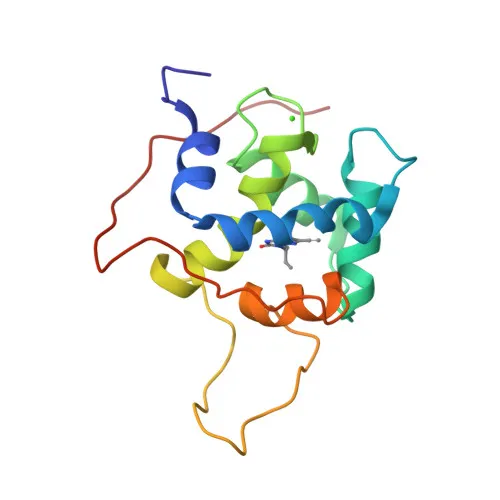
- Its three-dimensional structure has been solved, providing insights into its inhibitory mechanism and interaction with other troponin subunits.
- The protein is classified as a reference proteome component and has been linked to muscle disease phenotypes, highlighting its importance in skeletal muscle physiology.
Experimental Guidance and Technical Tips
- The polyclonal antibody, raised against the N-terminal region (amino acids 1–100) of human TNNI2, may recognize full-length endogenous protein (~21 kDa) and cross-react with mouse and rat orthologs; validation in the relevant sample system is advised.
- For Western blot, consider using fresh or properly stored muscle tissue lysates and optimize loading conditions to visualize the 21 kDa band, keeping in mind that post-translational modifications could alter electrophoretic mobility.
- In ELISA applications, the antibody can be explored as a capture or detection reagent for TNNI2 quantification, but titers and paired antibody compatibility should be established experimentally.
- Due to alternative splicing, ensure that the immunogen sequence (aa 1–100) corresponds to the isoform of interest in your assay.
CamelBio: Your One-Stop Sourcing Bridge
CamelBio provides diagnostic manufacturers, laboratories, and research institutes with a streamlined one-stop platform for IVD raw-material procurement, from concept to clinic. For troponin research and skeletal muscle biomarker studies, we offer validated antibody pairs, optimized polyclonal and monoclonal antibodies, and bulk ancillary reagents. Our sourcing network excels in securing rare-target raw materials like TNNI2 antibodies, enabling reliable assay development for muscle-related diagnostics.
REQUEST A QUOTE
Our professional team will reply to you within one business day. Please feel free to contact us!