Monoclonal Antibodies
Anti-TCP1 beta/CCT2 Rabbit Monoclonal Antibody for WB, IHC-P, ELISA - P78371
Item Number : CM0005703
Price varies based on specs and customizations
- Application
- WB, IHC-P, ELISA
- Cross Reactivity
- Human, Mouse, Rat
- Protein Weight
- 57kDa

Shipping:
Contact us to get shipping details Enjoy On-time Dispatch Guarantee.
Why Choose Us
Easy ordering process, quality products, and dedicated support for your business success.
Core Product Specifications and Parameters
| Parameter | Value |
|---|---|
| Product Name | TCP1 beta/CCT2 Rabbit mAb |
| Remarks/Alias | CCTB; 99D8.1; PRO1633; CCT-beta; HEL-S-100n; TCP-1-beta; TCP1 beta/CCT2 |
| Species | Human |
| GeneID (Human) | 10576 |
| GeneID | 10576 |
| Immunogen | Synthetic Peptide | A synthetic peptide corresponding to a sequence within amino acids 436-535 of human TCP1 beta/CCT2 (P78371). |
| Source | Rabbit |
| Category | Monoclonal Antibodies |
| Application | WB, IHC-P, ELISA |
| Cross Reactivity | Human, Mouse, Rat |
| SWISS | P78371 |
| Protein Weight | 57kDa |
| Shipping | Ice bag |
Biological Background: TCP1 beta/CCT2 Function and Localization
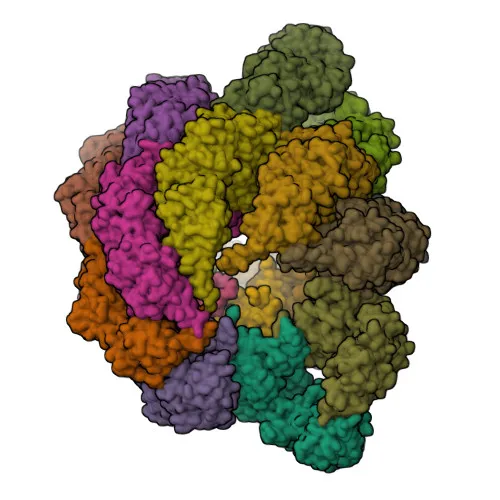
- TCP1 beta/CCT2, also known as CCT-beta or chaperonin containing T-complex polypeptide 1 subunit 2, is a subunit of the chaperonin-containing T-complex (TRiC), a heterooligomeric molecular chaperone complex essential for protein folding.
- As a component of TRiC, it facilitates ATP-dependent folding of nascent polypeptides, including cytoskeletal proteins actin and tubulin, ensuring proper cytoskeletal dynamics. Related references: PMID:25467444, PMID:36493755, PMID:35449234
- The TRiC complex, including CCT2, mediates the folding of WRAP53/TCAB1, a protein critical for telomere maintenance and Cajal body integrity. Related references: PMID:25467444
- TRiC may also participate in the assembly of the BBSome, a complex involved in ciliogenesis by regulating vesicular transport to the primary cilium. Related references: PMID:20080638
- TCP1 beta/CCT2 localizes predominantly in the cytoplasm, consistent with its role in co-translational and post-translational protein folding events.
- Post-translational modifications of CCT2 include acetylation, phosphorylation, and ubiquitination, which may regulate its activity, stability, or interactions within the TRiC complex.
- The protein belongs to the TCP-1 chaperonin family and is conserved across eukaryotes; alternative splicing produces multiple isoforms.
Experimental Guidance and Technical Tips
- The immunogen corresponds to a C-terminal region (aa 436-535) of human TCP1 beta/CCT2; this region is conserved in mouse and rat, supporting cross-reactivity.
- For Western blot (WB), the predicted molecular weight is 57 kDa; use appropriate molecular weight markers and validate band specificity in the relevant sample system.
- For immunohistochemistry (IHC-P), consider antigen retrieval methods and validate with appropriate positive and negative controls.
- ELISA applications may require optimization of coating antigen and antibody dilution; consider pairing with a matched detection antibody.
- Since TCP1 beta/CCT2 is a cytoplasmic chaperone, prepare cytosolic or total protein extracts for optimal detection.
- The antibody is a rabbit monoclonal, ensuring batch-to-batch consistency and high specificity; consider its use in co-immunoprecipitation if validated.
CamelBio: Your One-Stop Sourcing Bridge
CamelBio provides diagnostic manufacturers and research institutions with integrated access to high-quality IVD raw materials. In the field of molecular chaperones and proteostasis, we offer validated monoclonal antibodies like this anti-TCP1 beta/CCT2 rabbit mAb, alongside antibody pairs, recombinant proteins, and ancillary reagents. Our sourcing network supports the development of robust immunoassays for studying protein folding, cytoskeletal dynamics, and ciliogenesis pathways.
REQUEST A QUOTE
Our professional team will reply to you within one business day. Please feel free to contact us!