Polyclonal Antibodies
Anti-STIM1 Rabbit Polyclonal Antibody for WB, IHC-P, IP, ELISA - Q13586
Item Number : CM0022972
Price varies based on specs and customizations
- Application
- WB, IHC-P, IP, ELISA
- Cross Reactivity
- Human, Mouse, Rat
- Protein Weight
- 77kDa

Shipping:
Contact us to get shipping details Enjoy On-time Dispatch Guarantee.
Why Choose Us
Easy ordering process, quality products, and dedicated support for your business success.
Core Product Specifications and Parameters
| Parameter | Value |
|---|---|
| Product Name | STIM1 Rabbit pAb |
| Remarks/Alias | GOK; TAM; TAM1; IMD10; STRMK; D11S4896E; STIM1 |
| Species | Human |
| GeneID (Human) | 6786 |
| GeneID | 6786 |
| Immunogen | Recombinant fusion protein containing a sequence corresponding to amino acids 451-685 of human STIM1 (NP_003147.2) |
| Source | Rabbit |
| Category | Polyclonal Antibodies |
| Application | WB, IHC-P, IP, ELISA |
| Cross Reactivity | Human, Mouse, Rat |
| SWISS | Q13586 |
| Protein Weight | 77kDa |
| Shipping | Ice bag |
Biological Background: STIM1 Function and Localization
- Acts as a Ca2+ sensor that gates two major inward rectifying Ca2+ channels at the plasma membrane: Ca2+ release-activated Ca2+ (CRAC) channels and arachidonate-regulated Ca2+-selective (ARC) channels. Related references: PMID:15866891, PMID:16005298, PMID:16208375
- Plays a key role in store-operated Ca2+ entry (SOCE). Upon Ca2+ store depletion, STIM1 translocates from the endoplasmic reticulum to the plasma membrane and activates ORAI1, ORAI2, and ORAI3 subunits to induce sustained and oscillatory Ca2+ influx. Related references: PMID:16208375, PMID:16537481, PMID:32415068
- Involved in enamel formation. Related references: PMID:24621671
- Regulates the type I interferon response by retaining the signaling adapter STING at the endoplasmic reticulum. Related references: PMID:30643259
- Subcellular localization: cell membrane, endoplasmic reticulum membrane, cytoplasm, cytoskeleton, and sarcoplasmic reticulum.
- Ubiquitously expressed in various human primary cells and tumor cell lines.
- Post-translational modifications include glycosylation and phosphorylation; alternative splicing yields multiple isoforms.
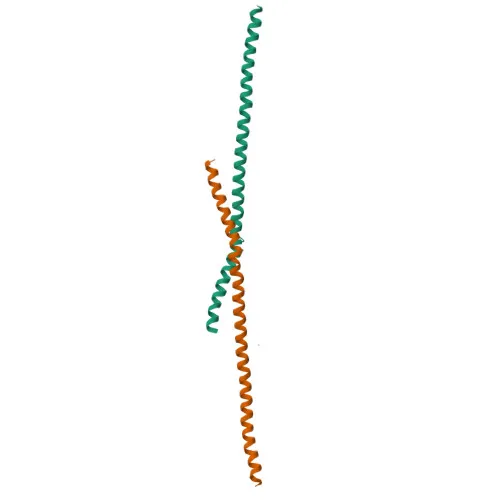
- Contains coiled-coil domains and transmembrane helices; molecular weight ~77 kDa (calculated 77,423 Da).
Experimental Guidance and Technical Tips
- The immunogen corresponds to the C-terminal cytoplasmic domain (aa 451–685), making this antibody suitable for detecting both endogenous and overexpressed STIM1.
- For Western blot, a band near 77 kDa is expected; validate detection in your sample system, as isoform-specific patterns may occur.
- For immunohistochemistry (IHC-P), consider antigen retrieval protocols to unmask epitopes in formalin-fixed paraffin-embedded tissues.
- For immunoprecipitation (IP), optimize antibody concentration and incubation conditions for efficient capture of STIM1 complexes.
- For ELISA, the antibody can be used as a capture or detection reagent; confirm linearity and sensitivity with recombinant protein standards.
- As a polyclonal antibody, performance may vary between production batches; include appropriate controls in each experiment.
CamelBio: Your One-Stop Sourcing Bridge
CamelBio offers a comprehensive portfolio of IVD raw materials, including this anti-STIM1 polyclonal antibody, to diagnostic manufacturers and researchers. With validated antibody pairs, optimized monoclonal/polyclonal antibodies, and bulk ancillary reagents, we streamline your procurement from discovery to clinical application. Contact us for rare target sourcing and tailored support in calcium signaling research.
REQUEST A QUOTE
Our professional team will reply to you within one business day. Please feel free to contact us!