Polyclonal Antibodies
Anti-S100A9 Rabbit Polyclonal Antibody for WB, IHC-P, ELISA - P31725
Item Number : CM0018762
Price varies based on specs and customizations
- Application
- WB, IHC-P, ELISA
- Cross Reactivity
- Human, Mouse
- Protein Weight
- 13kDa

Shipping:
Contact us to get shipping details Enjoy On-time Dispatch Guarantee.
Why Choose Us
Easy ordering process, quality products, and dedicated support for your business success.
Core Product Specifications and Parameters
| Parameter | Value |
|---|---|
| Product Name | S100a9 Rabbit pAb |
| Remarks/Alias | p14; Cagb; GAGB; L1Ag; BEE22; MRP14; 60B8Ag |
| Species | Mouse |
| GeneID (Human) | 6280 |
| GeneID (Mouse) | 20202 |
| Immunogen | Recombinant fusion protein containing a sequence corresponding to amino acids 1-113 of mouse S100a9 (NP_033140.1) |
| Source | Rabbit |
| Category | Polyclonal Antibodies |
| Application | WB, IHC-P, ELISA |
| Cross Reactivity | Human, Mouse |
| SWISS | P31725 |
| Protein Weight | 13kDa |
| Shipping | Ice bag |
Biological Background: S100A9 Function and Localization
-
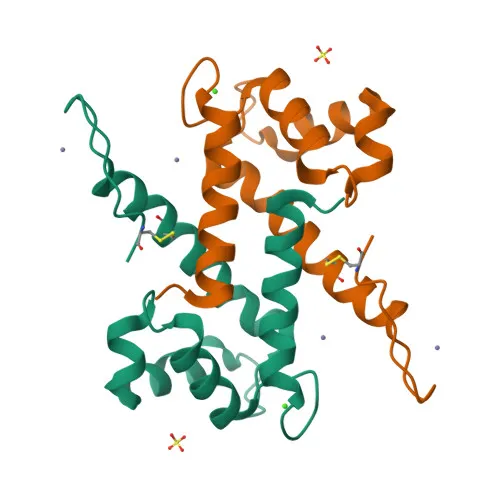
S100A9 (calgranulin-B, MRP-14, p14) is a member of the S100 family of calcium-binding proteins.
-
It functions as a calcium- and zinc-binding protein that prominently regulates inflammatory processes and immune responses.
Related references: PMID:15331440 PMID:17767165 PMID:18403730
-
Intracellularly, S100A9 facilitates leukocyte arachidonic acid trafficking, modulates the tubulin-dependent cytoskeleton during phagocyte migration, and activates the neutrophilic NADPH-oxidase.
Related references: PMID:15331440
-
As part of calprotectin (S100A8/A9 heterodimer), it exerts pro-inflammatory, antimicrobial, oxidant-scavenging, and apoptosis-inducing extracellular activities.
Related references: PMID:21382888
-
It acts as a danger-associated molecular pattern (DAMP), stimulating innate immune cells via TLR4 and AGER, leading to MAP-kinase and NF-kappa-B activation and amplification of inflammation.
Related references: PMID:17767165 PMID:18403730 PMID:19402754
-
S100A9 has antimicrobial activity towards bacteria and fungi, likely through Zn2+ chelation.
-
Subcellularly, S100A9 is found secreted, as well as in the cytoplasm, associated with the cytoskeleton and cell membrane.
-
Post-translational modifications include acetylation and phosphorylation; it belongs to a family of metal-binding proteins with roles in chemotaxis, apoptosis, and autophagy.
Experimental Guidance and Technical Tips
-
The immunogen corresponds to amino acids 1-113 of mouse S100A9; this N-terminal region may influence epitope recognition in different applications.
-
For Western blot, expect a band near 13 kDa under reducing conditions; validate using positive controls such as mouse spleen or bone marrow lysates.
-
For IHC-P, consider antigen retrieval and test with tissues known to express high levels of S100A9, e.g., inflamed or myeloid-rich samples.
-
For ELISA, the polyclonal nature allows use as either capture or detection reagent; pairing with a monoclonal antibody may improve specificity.
-
The antibody cross-reacts with human S100A9; confirm reactivity in your specific experimental system.
CamelBio: Your One-Stop Sourcing Bridge
CamelBio provides diagnostic manufacturers and research laboratories with reliable IVD raw materials, including validated antibodies, antigens, and ancillary reagents. This anti-S100A9 polyclonal antibody supports research into inflammatory disease markers and immune response pathways. Contact us for bulk orders, technical consultation, and customized sourcing solutions for your assay development needs.
REQUEST A QUOTE
Our professional team will reply to you within one business day. Please feel free to contact us!