Polyclonal Antibodies
Anti-PSMA3 Rabbit Polyclonal Antibody for WB, IP, IF-P, IHC-P, ELISA - P25788
Item Number : CM0018132
Price varies based on specs and customizations
- Application
- WB, IP, IF-P, IHC-P, ELISA
- Cross Reactivity
- Human, Mouse, Rat
- Protein Weight
- 28kDa

Shipping:
Contact us to get shipping details Enjoy On-time Dispatch Guarantee.
Why Choose Us
Easy ordering process, quality products, and dedicated support for your business success.
Core Product Specifications and Parameters
| Parameter | Value |
|---|---|
| Product Name | PSMA3 Rabbit pAb |
| Remarks/Alias | HC8; PSC3; PSMA3 |
| Species | Human |
| Gene ID (Human) | 5684 |
| Gene ID | 5684 |
| Immunogen | Recombinant fusion protein containing a sequence corresponding to amino acids 1-255 of human PSMA3 (NP_002779.1). |
| Source | Rabbit |
| Category | Polyclonal Antibodies |
| Application | WB, IP, IF-P, IHC-P, ELISA |
| Cross Reactivity | Human, Mouse, Rat |
| SWISS | P25788 |
| Protein Weight | 28kDa |
| Shipping | Ice bag |
Biological Background: PSMA3 (Proteasome subunit alpha type-3) Function and Localization
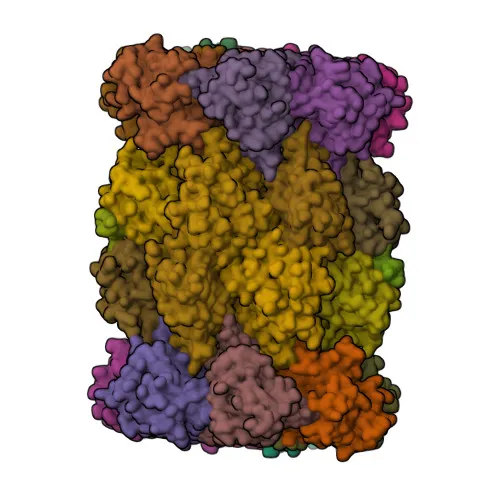
- PSMA3, also known as Proteasome subunit alpha type-3, Macropain subunit C8, or HC8, is a core component of the 20S proteasome complex, which mediates the proteolytic degradation of most intracellular proteins.
- As part of the 26S proteasome (20S core plus two 19S regulatory particles), PSMA3 participates in ATP-dependent degradation of ubiquitinated proteins, crucial for maintaining protein homeostasis by removing misfolded or damaged proteins.
- In association with alternative regulatory particles like PA200 or PA28, the 20S proteasome carries out ubiquitin-independent protein degradation, involved in processes such as spermatogenesis (with PA200) and generation of MHC class I antigenic peptides (with PA28).
- PSMA3 localizes to both the cytoplasm and the nucleus, consistent with the broad distribution of proteasomes for protein quality control and regulated proteolysis.
- This subunit binds the C-terminus of CDKN1A (p21), mediating its degradation, and negatively regulates membrane trafficking of the thromboxane A2 receptor (TBXA2R) isoform 2.
- PSMA3 is subject to post-translational modifications including acetylation and phosphorylation, and is classified under several keywords: 3D-structure, Alternative splicing, Host-virus interaction, Phosphoprotein, Proteasome, and Proteomics identification.
Experimental Guidance and Technical Tips
- The immunogen used to generate this antibody consists of a recombinant protein covering amino acids 1–255 of human PSMA3, encompassing most of the full-length protein; this design may provide robust recognition of the native target.
- Given its predicted molecular weight of approximately 28 kDa, ensure appropriate gel percentage (e.g., 10–12% SDS-PAGE) and transfer conditions for Western blot detection.
- The antibody has been reported to work in WB, IP, IF-P, IHC-P, and ELISA across human, mouse, and rat samples; for other species or applications, validation in the relevant sample system is recommended.
- For immunoprecipitation or immunofluorescence, consider the abundant cytoplasmic/nuclear distribution of the target; appropriate lysis buffers and fixation/permeabilization protocols should be optimized.
CamelBio: Your One-Stop Sourcing Bridge
CamelBio specializes in providing validated IVD raw materials and one-stop sourcing solutions for diagnostic manufacturers and research laboratories. This anti-PSMA3 polyclonal antibody, targeting a key proteasome subunit involved in protein degradation and cellular homeostasis, exemplifies our commitment to supplying high-quality reagents for proteostasis and ubiquitin-proteasome pathway studies. Beyond individual antibodies, we offer bulk quantities, matched antibody pairs, and tailored procurement for rare targets to streamline your development pipeline from concept to clinic.
REQUEST A QUOTE
Our professional team will reply to you within one business day. Please feel free to contact us!