Monoclonal Antibodies
Anti-MLH1 Monoclonal Antibody (KO Validated) for WB, ELISA - P40692
Item Number : CM0007159
Price varies based on specs and customizations
- Application
- WB, ELISA
- Cross Reactivity
- Human
- Protein Weight
- 85kDa

Shipping:
Contact us to get shipping details Enjoy On-time Dispatch Guarantee.
Why Choose Us
Easy ordering process, quality products, and dedicated support for your business success.
Core Product Specifications and Parameters
| Parameter | Value |
|---|---|
| Product Name | [KO Validated] MLH1 Mouse mAb |
| Remarks/Alias | FCC2; COCA2; HNPCC; MLH-1; hMLH1; HNPCC2; LYNCH2; MMRCS1; H1 |
| Species | Mouse |
| GeneID | 4292 |
| Immunogen | Recombinant protein of human MLH1 |
| Source | Mouse |
| Category | Monoclonal Antibodies |
| Application | WB, ELISA |
| Cross Reactivity | Human |
| SWISS | P40692 |
| Protein Weight | 85kDa |
| Shipping | Ice bag |
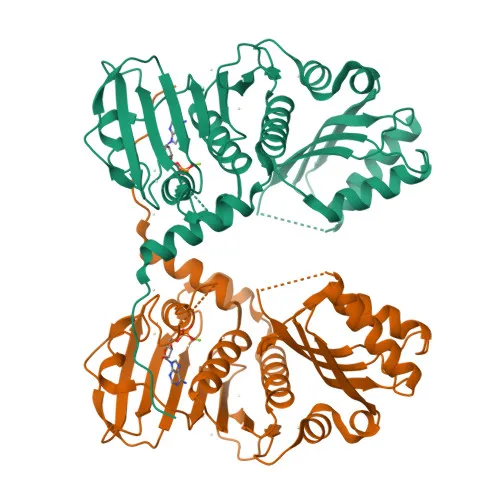
Biological Background: DNA Mismatch Repair Protein Mlh1 Function and Localization
- MLH1 encodes DNA mismatch repair protein Mlh1 (MutL protein homolog 1), a key component of the post-replicative DNA mismatch repair (MMR) system. It is also known by various aliases including FCC2, COCA2, and HNPCC.
- MLH1 heterodimerizes with PMS2 to form MutL alpha. Upon recognition of mismatches by MutS alpha (MSH2-MSH6) or MutS beta (MSH2-MSH3), MutL alpha is recruited to the heteroduplex. In the presence of RFC and PCNA, it activates the endonuclease activity of PMS2, introducing single-strand breaks near the mismatch to facilitate strand-specific degradation by EXO1.
- MLH1 also forms a heterodimer with MLH3 (MutL gamma) that is involved in meiotic recombination.
- The protein localizes to the nucleus and associates with chromosomes, consistent with its role in DNA repair and maintenance of genomic integrity.
- Tissue expression is broad, with higher levels detected in colon, lymphocytes, breast, lung, spleen, testis, prostate, thyroid, gall bladder, and heart.
- Post-translational modifications include acetylation, phosphorylation, and ubiquitination. MLH1 participates in DNA damage signaling, which can induce cell cycle arrest or apoptosis following severe DNA damage. It is classified as a tumor suppressor, and mutations in MLH1 are linked to hereditary nonpolyposis colorectal cancer (HNPCC).
Experimental Guidance and Technical Tips
- The immunogen used is recombinant human MLH1 protein, which may yield antibodies recognizing native and denatured forms. In Western blot, a specific band around 85 kDa is expected in human cell or tissue lysates. Inclusion of a knockout (KO) validated control sample is recommended to confirm antibody specificity.
- For ELISA applications, the antibody can be used for antigen capture or detection; consider pairing with another clone targeting a distinct epitope for sandwich ELISA development. Use recombinant MLH1 protein as a standard for quantification.
- Given the nuclear localization of MLH1, appropriate nuclear extraction protocols may enhance detection sensitivity in WB when using whole-cell lysates.
CamelBio: Your One-Stop Sourcing Bridge
CamelBio offers diagnostic manufacturers and research laboratories streamlined access to high-quality IVD raw materials, including validated monoclonal antibodies like this anti-MLH1 clone for DNA mismatch repair studies. With a comprehensive portfolio spanning optimized antibody pairs, ancillary reagents, and rare-target sourcing, CamelBio supports every phase from assay development to clinical application. For custom requirements or bulk orders, our team provides responsive technical consultation and reliable supply chain solutions.
REQUEST A QUOTE
Our professional team will reply to you within one business day. Please feel free to contact us!