Polyclonal Antibodies
Anti-MAT1A Rabbit Polyclonal Antibody for WB, ELISA - Q00266
Item Number : CM0027753
Price varies based on specs and customizations
- Application
- WB, ELISA
- Cross Reactivity
- Human, Mouse, Rat
- Protein Weight
- 44kDa

Shipping:
Contact us to get shipping details Enjoy On-time Dispatch Guarantee.
Why Choose Us
Easy ordering process, quality products, and dedicated support for your business success.
Core Product Specifications and Parameters
| Parameter | Value |
|---|---|
| Product Name | MAT1A Rabbit pAb |
| Remarks/Alias | MAT; SAMS; MATA1; SAMS1; MAT1A |
| Species | Human |
| GeneID (human) | 4143 |
| GeneID | 4143 |
| Immunogen | Recombinant fusion protein containing a sequence corresponding to amino acids 1-395 of human MAT1A (NP_000420.1) |
| Source | Rabbit |
| Category | Polyclonal Antibodies |
| Application | WB, ELISA |
| Cross Reactivity | Human, Mouse, Rat |
| SWISS | Q00266 |
| Protein Weight | 44kDa |
| Shipping | Ice bag |
Biological Background: MAT1A Function and Localization
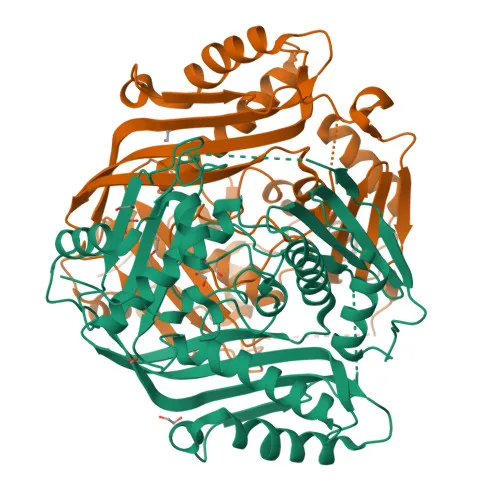
- MAT1A encodes S-adenosylmethionine synthase isoform type-1, also known as methionine adenosyltransferase 1 (MAT 1) or MAT I/III. It belongs to the AdoMet synthase family.
- The enzyme catalyzes the two-step synthesis of S-adenosylmethionine (AdoMet) from methionine and ATP: first formation of AdoMet and triphosphate, then hydrolysis of the triphosphate.
- AdoMet serves as the principal methyl donor in numerous biological methylation reactions, including DNA, RNA, and protein methylation, as well as polyamine synthesis and transsulfuration.
- MAT1A is primarily expressed in the liver, where it plays a critical role in hepatic one-carbon metabolism.
- The protein is a key enzyme of the one-carbon metabolic pathway and is associated with keywords such as ATP-binding, nucleotide-binding, magnesium and potassium metal-binding, and transferase activity.
- Structural studies and proteomics identification are available for this protein, which contains disulfide bonds and undergoes post-translational modifications including S-nitrosylation.
- Disease variants in MAT1A have been linked to liver-related disorders, highlighting its clinical significance.
Experimental Guidance and Technical Tips
- The immunogen is a recombinant fusion protein spanning amino acids 1–395 of human MAT1A, which covers the full-length protein. This design may enable recognition of native and denatured forms, suitable for both WB and ELISA applications.
- When performing Western blot with this polyclonal antibody, consider using denaturing conditions and validating the detected band at the expected molecular weight of ~44 kDa (predicted 43.6 kDa from sequence) in human, mouse, or rat liver lysates.
- For ELISA, the antibody can be used as a capture or detection reagent; optimize coating and detection conditions using recombinant MAT1A protein.
- Due to high sequence conservation, cross-reactivity with mouse and rat MAT1A is anticipated; however, individual validation in the relevant sample system is advisable.
- Given the liver-specific expression of MAT1A, liver tissue or hepatocyte-derived cell lines are recommended as positive controls.
- The antibody’s polyclonal nature may offer higher sensitivity but may require careful lot-to-lot consistency testing in critical applications.
CamelBio: Your One-Stop Sourcing Bridge
CamelBio provides diagnostic manufacturers and research labs with reliable access to validated IVD raw materials like this MAT1A antibody, supporting studies in one-carbon metabolism and liver-related pathologies. Our comprehensive portfolio includes antibody pairs, bulk ancillary reagents, and customized sourcing for rare targets, ensuring a seamless transition from development to clinical applications.
REQUEST A QUOTE
Our professional team will reply to you within one business day. Please feel free to contact us!