Polyclonal Antibodies
Anti-IL1RL1 Rabbit Polyclonal Antibody for WB, ELISA - Q01638
Item Number : CM0022913
Price varies based on specs and customizations
- Application
- WB, ELISA
- Cross Reactivity
- Human, Mouse, Rat
- Protein Weight
- 63kDa

Shipping:
Contact us to get shipping details Enjoy On-time Dispatch Guarantee.
Why Choose Us
Easy ordering process, quality products, and dedicated support for your business success.
Core Product Specifications and Parameters
| Parameter | Value |
|---|---|
| Product Name | IL1RL1 Rabbit pAb |
| Remarks/Alias | T1; ST2; DER4; ST2L; ST2V; FIT-1; IL33R; IL1RL1 |
| Species | Human |
| GeneID (Human) | 9173 |
| GeneID | 9173 |
| Immunogen | Recombinant fusion protein containing a sequence corresponding to amino acids 19-328 of human IL1RL1 (NP_057316.3). |
| Source | Rabbit |
| Category | Polyclonal Antibodies |
| Application | WB, ELISA |
| Cross Reactivity | Human, Mouse, Rat |
| SWISS | Q01638 |
| Protein Weight | 63kDa |
| Shipping | Ice bag |
Biological Background: IL1RL1 Function and Localization
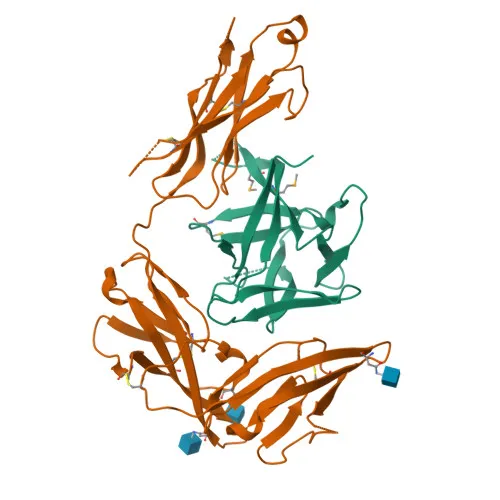
- IL1RL1 (ST2) is an interleukin-1 receptor-like protein that exists as multiple isoforms: transmembrane ST2L (isoform B), soluble ST2 (isoform A), and ST2V (isoform C), generated by alternative splicing.
- Serves as the receptor for interleukin-33 (IL-33), a key cytokine in innate and adaptive immunity, contributing to tissue homeostasis and responses to environmental stresses (PubMed:35238669). Related references: PMID:35238669
- Upon IL-33 binding, forms a signaling complex with coreceptor IL1RAP, recruiting MYD88, IRAK1, IRAK4, and TRAF6, which leads to phosphorylation of MAP kinases ERK1/2, p38 (MAPK14), and JNK (MAPK8) (PubMed:16286016). Related references: PMID:16286016
- Possibly involved in helper T-cell function (PubMed:16286016). Related references: PMID:16286016
- The soluble isoform functions as a decoy receptor that inhibits IL-33 signaling.
- Subcellular localization: the transmembrane isoform is located at the cell membrane, while the soluble isoform is secreted.
- Highly expressed in kidney, lung, placenta, stomach, skeletal muscle, colon, and small intestine; isoform A is prevalent in lung, testis, placenta, stomach, and colon; isoform B is more abundant in brain, kidney, and liver; overexpressed in fibrotic and cirrhotic liver.
- Key post-translational modifications include glycosylation, disulfide bond formation, and ubiquitination (isopeptide bond and Ubl conjugation).
Experimental Guidance and Technical Tips
- The immunogen encompasses the extracellular domain (amino acids 19–328) of human IL1RL1, which includes the IL-33 binding region; thus, the polyclonal antibody may detect both membrane-bound ST2L and soluble ST2 isoforms.
- For western blotting, a band around 63 kDa is expected; however, glycosylation may cause a higher apparent molecular weight. Validate in appropriate positive controls (e.g., THP-1 cells, human kidney or lung tissue lysates).
- Cross-reactivity with mouse and rat has been reported, indicating epitope conservation. Consider testing in relevant disease models where IL1RL1 is upregulated (e.g., fibrosis, inflammation).
- In ELISA, titrate the antibody against recombinant ST2 or IL1RL1 protein to determine optimal working concentration.
CamelBio: Your One-Stop Sourcing Bridge
CamelBio offers a comprehensive portfolio of IVD raw materials, including validated polyclonal and monoclonal antibodies, recombinant proteins, and ancillary reagents — all supported by expert technical consulting from concept to clinical application. This anti‑IL1RL1 rabbit polyclonal antibody is part of our immunology‑focused catalog, ideal for researchers exploring IL‑33/ST2 signaling in inflammatory and fibrotic diseases. Whether you need antibody pairs, bulk quantities, or custom sourcing of rare‑target reagents, CamelBio is your reliable partner for end‑to‑end diagnostic development.
REQUEST A QUOTE
Our professional team will reply to you within one business day. Please feel free to contact us!