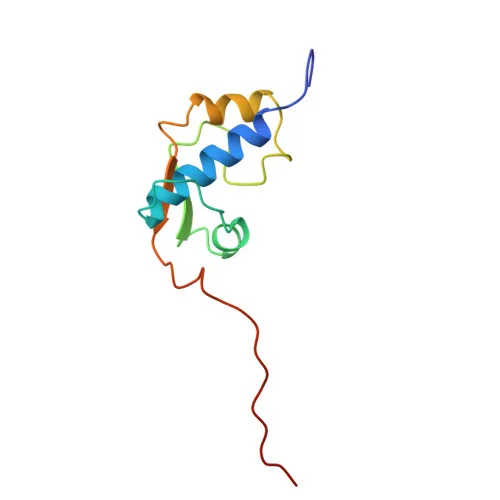
Polyclonal Antibodies
Anti-GTF2IRD1 Rabbit Polyclonal Antibody for WB, ELISA - Q9UHL9
Item Number : CM0021707
Price varies based on specs and customizations
- Application
- WB, ELISA
- Cross Reactivity
- Rat
- Protein Weight
- 104kDa/106kDa/107kDa

Shipping:
Contact us to get shipping details Enjoy On-time Dispatch Guarantee.
Why Choose Us
Easy ordering process, quality products, and dedicated support for your business success.
Core Product Specifications and Parameters
| Parameter | Value |
|---|---|
| Product Name | GTF2IRD1 Rabbit pAb |
| Remarks/Alias | GTF2IRD1; BEN; CREAM1; GTF3; MUSTRD1; RBAP2; WBS; WBSCR11; WBSCR12; hMusTRD1alpha1; GTF2I repeat domain containing 1 |
| Species | Human |
| GeneID | 9569 |
| Immunogen | Recombinant fusion protein containing a sequence corresponding to amino acids 660-890 of human GTF2IRD1 (NP_057412.1). |
| Source | Rabbit |
| Category | Polyclonal Antibodies |
| Application | WB, ELISA |
| Cross Reactivity | Rat |
| SWISS | Q9UHL9 |
| Protein Weight | 104kDa/106kDa/107kDa |
| Shipping | Ice bag |
Biological Background: GTF2IRD1 Function and Localization
- GTF2IRD1 (General transcription factor II-I repeat domain-containing protein 1), also known as MusTRD1/BEN or WBSCR11, is a member of the TFII-I family of transcription factors characterized by multiple helix-loop-helix repeat domains.
- It functions as a transcriptional regulator implicated in cell-cycle progression and skeletal muscle differentiation, potentially repressing GTF2I by altering its nuclear localization or activation potential.
- In myogenesis, GTF2IRD1 contributes to slow-twitch fiber type specification and is active in regenerating muscle, binding the USE B1 enhancer of the troponin I slow gene.
- The protein also binds with high affinity to EFG sequences from the HOXC8 early enhancer, suggesting a broader role in developmental gene regulation.
- GTF2IRD1 is predominantly localized in the nucleus, consistent with its role as a DNA-binding transcription regulator.
- Tissue expression is highest in adult skeletal muscle, heart, fibroblasts, bone, and fetal tissues, with lower levels in other tissues.
- Post-translational modifications include phosphorylation and ubiquitination, and the protein undergoes alternative splicing to produce multiple isoforms.
- Its association with Williams-Beuren syndrome highlights its importance in neurodevelopmental and craniofacial processes.
Experimental Guidance and Technical Tips
- The immunogen is a recombinant fusion protein covering the C-terminal region (aa 660-890) of human GTF2IRD1; the antibody may recognize epitopes conserved across isoforms and in rat protein.
- For Western blot, use lysates from tissues with high GTF2IRD1 expression (e.g., skeletal muscle, heart) and expect bands around 104–107 kDa.
- ELISA can be used for titer determination or recombinant protein detection, but coating and detection conditions should be optimized empirically.
- As a polyclonal antibody, lot-to-lot variability may occur; validate in your specific experimental system with appropriate controls.
CamelBio: Your One-Stop Sourcing Bridge
CamelBio is your one-stop sourcing partner for IVD raw materials, providing validated antibody pairs, optimized polyclonal antibodies like this anti-GTF2IRD1, and bulk ancillary reagents. Whether you need rare target sourcing or technical consulting from concept to clinic, CamelBio streamlines your supply chain for transcription factor and developmental biology research.
REQUEST A QUOTE
Our professional team will reply to you within one business day. Please feel free to contact us!