Polyclonal Antibodies
Anti-EPB41 Rabbit Polyclonal Antibody for WB, IP, ELISA - P11171
Item Number : CM0021703
Price varies based on specs and customizations
- Application
- WB, IP, ELISA
- Cross Reactivity
- Human
- Protein Weight
- 97kDa

Shipping:
Contact us to get shipping details Enjoy On-time Dispatch Guarantee.
Why Choose Us
Easy ordering process, quality products, and dedicated support for your business success.
Core Product Specifications and Parameters
| Parameter | Value |
|---|---|
| Product Name | EPB41 Rabbit pAb |
| Remarks/Alias | HE; EL1; 4.1R |
| Species | Human |
| GeneID (human) | 2035 |
| GeneID | 2035 |
| Immunogen | Synthetic peptide corresponding to a sequence within amino acids 700-800 of human EPB41 (NP_001159477.1) |
| Source | Rabbit |
| Category | Polyclonal Antibodies |
| Application | WB, IP, ELISA |
| Cross Reactivity | Human |
| SWISS | P11171 |
| Protein Weight | 97kDa |
| Shipping | Ice bag |
Biological Background: EPB41 Function and Localization
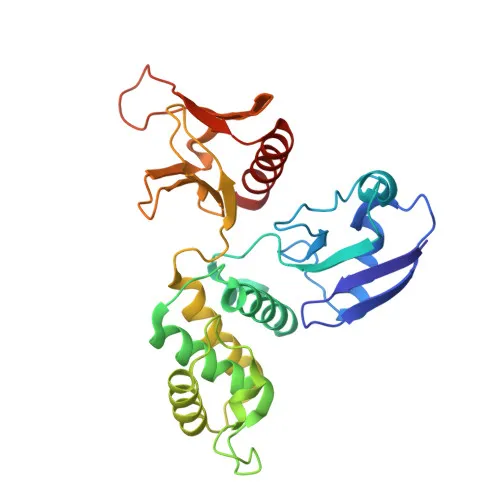
- Protein 4.1 (EPB41, 4.1R) is a multifunctional structural protein originally identified as a major component of the erythrocyte membrane skeleton.
- It stabilizes the spectrin–actin network, thereby regulating the mechanical stability and deformability of red blood cells.
- In non-erythroid cells, EPB41 is required for the cortical recruitment of the dynein-dynactin complex and NUMA1 during anaphase, ensuring proper mitotic progression (PubMed:23870127).
Related references:
PMID:23870127 - EPB41 interacts with calmodulin and contains binding sites for actin, spectrin, and other membrane-associated proteins, and undergoes extensive alternative splicing to generate multiple isoforms.
- Post-translational modifications, including phosphorylation and O-glycosylation, regulate its association with the cytoskeleton and membrane.
- Subcellular localization includes the cytoplasm, cell cortex, cytoskeleton, and nucleus, reflecting its diverse functional roles.
- Mutations in EPB41 are associated with hereditary elliptocytosis and pyropoikilocytosis, hemolytic anemias characterized by abnormally shaped and fragile erythrocytes.
- The protein has a molecular weight of approximately 97 kDa.
Experimental Guidance and Technical Tips
- For Western blotting, expect a band around 97 kDa; validate expression in erythrocyte lysates or relevant nucleated cell lines.
- When performing immunoprecipitation, use appropriate lysis buffers that preserve cytoskeletal interactions; consider a low-speed centrifugation step to pre-clear the lysate.
- Since the immunogen is a peptide from the 700–800 amino acid region, specificity can be confirmed by siRNA-mediated knockdown or by comparing with a cell line lacking EPB41 expression.
- For ELISA, optimize coating conditions and consider using recombinant protein fragments as standards.
- This polyclonal antibody may recognize multiple EPB41 isoforms due to alternative splicing; verify the identity of detected bands by mass spectrometry or isoform-specific probes.
CamelBio: Your One-Stop Sourcing Bridge
CamelBio empowers diagnostic manufacturers and research institutions by providing one-stop access to premium IVD raw materials, technical services, and supply chain solutions. Our portfolio includes validated antibody pairs, optimized monoclonal/polyclonal antibodies, bulk ancillary reagents, and specialized sourcing for rare targets. Whether you are developing erythrocyte-related assays or studying cytoskeletal dynamics, we streamline procurement from concept to clinic, helping you bring reliable diagnostics to market faster.
REQUEST A QUOTE
Our professional team will reply to you within one business day. Please feel free to contact us!