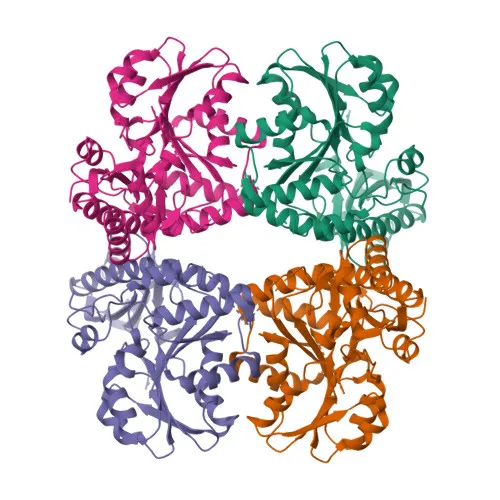
Monoclonal Antibodies
Anti-Cystathionase/CTH Monoclonal Antibody for WB, ELISA - P32929
Item Number : CM0009177
Price varies based on specs and customizations
- Application
- WB, ELISA
- Cross Reactivity
- Mouse, Rat
- Protein Weight
- 45kDa

Shipping:
Contact us to get shipping details Enjoy On-time Dispatch Guarantee.
Why Choose Us
Easy ordering process, quality products, and dedicated support for your business success.
Core Product Specifications and Parameters
| Parameter | Value |
|---|---|
| Product Name | Cystathionase/CTH Rabbit mAb |
| Remarks/Alias | CGL; CSE; Cystathionase/CTH |
| Species | Human |
| Gene ID | 1491 |
| Immunogen | A synthetic peptide corresponding to a sequence within amino acids 1-100 of human Cystathionase/CTH (P32929) |
| Source | Rabbit |
| Category | Monoclonal Antibodies |
| Application | WB, ELISA |
| Cross Reactivity | Mouse, Rat |
| SWISS | P32929 |
| Protein Weight | 45kDa |
| Shipping | Ice bag |
Biological Background: Cystathionase/CTH Function and Localization
- Cystathionase/CTH (also designated CGL or CSE) is encoded by the CTH gene; alternative splicing produces multiple isoforms.
- It catalyzes the PLP-dependent cleavage of L-cystathionine to L-cysteine, ammonia, and 2-oxobutanoate, the terminal step in the trans-sulfuration pathway (PMID:10212249, PMID:18476726, PMID:19261609). Related references: PMID:10212249 PMID:18476726 PMID:19261609
- The enzyme also uses L-cysteine and L-homocysteine as substrates to generate hydrogen sulfide (H2S), an endogenous gasotransmitter involved in vasodilation, inflammation, and bone protection (PMID:19019829, PMID:19261609, PMID:29254196). Related references: PMID:19019829 PMID:19261609 PMID:29254196
- CTH mediates protein sulfhydration, converting cysteine -SH to -SSH on targets such as GAPDH, PTPN1, and NF-kappa-B RELA, thereby modulating their activity (PMID:22169477). Related references: PMID:22169477
- Subcellular localization is primarily cytoplasmic.
- Highly expressed in liver and skeletal muscle; lower levels in most other tissues and barely detectable in heart, pituitary, spleen, thymus, and vasculature (PMID:10727430, PMID:20305127). Related references: PMID:10727430 PMID:20305127
- Additional annotated functions include homoserine and selenocystathionine utilization (by similarity) and a role in myogenesis via H2S production in muscle.
- Functional motifs: pyridoxal phosphate binding, calmodulin binding; participates in cysteine biosynthesis and lipid metabolism.
Experimental Guidance and Technical Tips
- The immunogen spans amino acids 1–100 of human CTH; for Western blot, expect a specific band near 45 kDa (theoretical molecular weight ~44.5 kDa), though actual migration may vary.
- When performing ELISA, consider using a direct or sandwich format; validate antibody performance in the specific assay matrix (e.g., serum, plasma, cell lysates).
- Given the cross-reactivity with mouse and rat, this antibody can be employed in rodent models; confirm optimal working dilution for each species and application.
- Because CTH activity depends on PLP cofactor, sample preparation conditions (e.g., presence of reducing agents, pH) may influence antibody recognition; pre-test with appropriate controls.
CamelBio: Your One-Stop Sourcing Bridge
CamelBio is a dedicated partner for diagnostic manufacturers, research laboratories, and institutes seeking reliable IVD raw materials. For projects involving oxidative stress, trans-sulfuration metabolism, or H2S signaling, we offer validated antibody pairs, optimized monoclonal/polyclonal antibodies, bulk ancillary reagents, and specialized sourcing for rare targets—all under one roof. Reach out to discuss how we can accelerate your assay development from concept to clinic.
REQUEST A QUOTE
Our professional team will reply to you within one business day. Please feel free to contact us!