Polyclonal Antibodies
Anti-ABCD1 Rabbit Polyclonal Antibody for WB, IF/ICC, ELISA - P33897
Item Number : CM0013027
Price varies based on specs and customizations
- Application
- WB, IF/ICC, ELISA
- Cross Reactivity
- Human, Mouse
- Protein Weight
- 83kDa

Shipping:
Contact us to get shipping details Enjoy On-time Dispatch Guarantee.
Why Choose Us
Easy ordering process, quality products, and dedicated support for your business success.
Core Product Specifications and Parameters
| Parameter | Value |
|---|---|
| Product Name | ABCD1 Rabbit pAb |
| Remarks/Alias | ALD; AMN; ALDP; ABC42; ABCD1 |
| Species | Human |
| Gene ID (Human) | 215 |
| Gene ID | 215 |
| Immunogen | Recombinant protein | Recombinant fusion protein containing a sequence corresponding to amino acids 340-500 of human ABCD1 (NP_000024.2). |
| Source | Rabbit |
| Category | Polyclonal Antibodies |
| Application | WB, IF/ICC, ELISA |
| Cross Reactivity | Human, Mouse |
| SWISS | P33897 |
| Protein Weight | 83kDa |
| Shipping | Ice bag |
Biological Background: ABCD1 Function and Localization
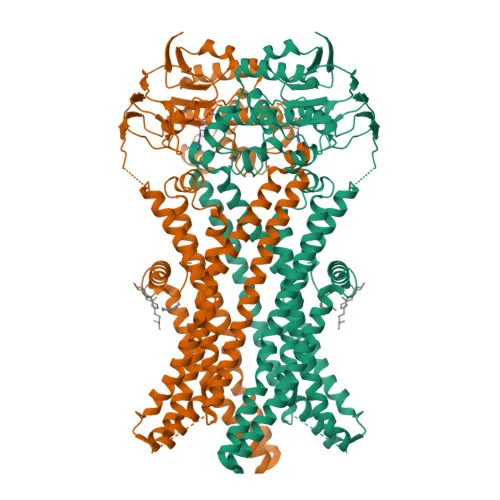
- ABCD1, also called adrenoleukodystrophy protein (ALDP), is a member of the ATP-binding cassette (ABC) transporter sub-family D, encoded by the ABCD1 (ALD) gene.
- It functions as an ATP-dependent transporter that imports very long chain fatty acyl-CoA (VLCFA-CoA) into peroxisomes, and also possesses fatty acyl-CoA thioesterase (ACOT) activity that hydrolyzes VLCFA-CoA prior to transport, an essential step in the import process. Related references: PMID:11248239, PMID:15682271, PMID:16946495, PMID:29397936, PMID:33500543
- Plays a central role in the degradation and biosynthesis of VLCFAs by regulating peroxisomal beta-oxidation, mitochondrial function, and microsomal fatty acid elongation. Related references: PMID:21145416, PMID:23671276
- Involved in myelination: negatively regulates microsomal fatty acid elongation during active myelination, and is required for axon and myelin maintenance.
- Controls the cellular response to oxidative stress by regulating mitochondrial oxidative phosphorylation and depolarization.
- Modulates the inflammatory response through positive regulation of peroxisomal VLCFA beta-oxidation.
- Subcellular localization includes peroxisomal, mitochondrial, lysosomal, and endoplasmic reticulum membranes, reflecting its multifaceted intracellular transport roles.
- Mutations in ABCD1 cause X-linked adrenoleukodystrophy (ALD), a severe neurodegenerative disorder marked by VLCFA accumulation.
Experimental Guidance and Technical Tips
- The immunogen corresponds to the C-terminal region (amino acids 340–500) of human ABCD1; validate detection of full-length protein and potential isoforms using appropriate positive controls.
- For Western blot, anticipate a specific band around 83 kDa; use human or mouse cell lines known to express ABCD1 (e.g., fibroblasts, brain tissue) to confirm reactivity.
- For immunofluorescence/ICC, optimize fixation/permeabilization conditions, and consider co-staining with peroxisomal markers to verify subcellular localization.
- ELISA-based detection should employ a recombinant ABCD1 protein standard matching the immunogen sequence for accurate quantification.
CamelBio: Your One-Stop Sourcing Bridge
CamelBio streamlines the procurement of IVD raw materials by offering a comprehensive portfolio of antibodies, antigens, and ancillary reagents. This ABCD1 polyclonal antibody supports research into peroxisomal disorders and VLCFA metabolism, and CamelBio can provide bulk-scale production, validated antibody pairs, and customized sourcing solutions to meet your diagnostic development needs. Partner with us to secure reliable raw materials and accelerate your assay pipeline.
REQUEST A QUOTE
Our professional team will reply to you within one business day. Please feel free to contact us!