Monoclonal Antibodies
Anti-14-3-3 sigma Rabbit Monoclonal Antibody for WB, IHC-P, ELISA - P31947
Item Number : CM0005375
Price varies based on specs and customizations
- Application
- WB, IHC-P, ELISA
- Cross Reactivity
- Human, Mouse
- Protein Weight
- 28kDa

Shipping:
Contact us to get shipping details Enjoy On-time Dispatch Guarantee.
Why Choose Us
Easy ordering process, quality products, and dedicated support for your business success.
Core Product Specifications and Parameters
| Parameter | Value |
|---|---|
| Product Name | 14-3-3 sigma Rabbit mAb |
| Remarks/Alias | YWHAS; 14-3-3 sigma |
| Species | Human |
| GeneID (Human) | 2810 |
| GeneID | 2810 |
| Immunogen | Synthetic Peptide|A synthetic peptide corresponding to a sequence within amino acids 1-100 of human 14-3-3 sigma (P31947). |
| Source | Rabbit |
| Category | Monoclonal Antibodies |
| Application | WB, IHC-P, ELISA |
| Cross Reactivity | Human, Mouse |
| SWISS | P31947 |
| Protein Weight | 28kDa |
| Shipping | Ice bag |
Biological Background: 14-3-3 sigma Function and Localization
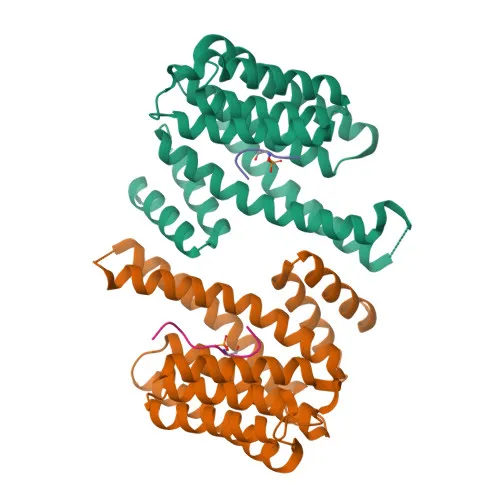
- 14-3-3 sigma (also known as Stratifin or Epithelial cell marker protein 1) is an adapter protein encoded by the SFN gene, predominantly expressed in tissues enriched in stratified squamous keratinizing epithelium.
- It functions by binding phosphoserine/phosphothreonine motifs on a broad range of signaling partners, generally modulating their activity, and is implicated in pathways such as cell cycle, apoptosis, and growth signaling (PubMed:15731107, PubMed:22634725, PubMed:28202711). Related references: PMID:15731107, PMID:22634725, PMID:28202711
- It acts as a TP53/p53-regulated inhibitor of G2/M cell cycle progression, contributing to the DNA damage checkpoint (PubMed:9659898). Related references: PMID:9659898
- 14-3-3 sigma promotes cytosolic retention of GBP1 GTPase by binding to phosphorylated GBP1, thereby inhibiting the innate immune response (PubMed:37797010). Related references: PMID:37797010
- In epithelial cells, it maintains desmosome cell junction adhesion by interacting with and sequestering PKP3 to the cytoplasm, which facilitates exchange at desmosome plaques and preserves intercellular adhesion (PubMed:24124604, PubMed:29678907). Related references: PMID:24124604, PMID:29678907
- The protein may regulate MDM2 autoubiquitination and degradation, thereby activating p53/TP53 (PubMed:18382127). Related references: PMID:18382127
- Subcellular localization includes the cytoplasm, nucleus, and secretion, consistent with its diverse roles in signal transduction and intercellular communication.
- Key post-translational modifications include phosphorylation and ubiquitin conjugation, which fine-tune its functions and interactions.
- Tissue expression is largely restricted to stratified squamous epithelia, making it a useful marker for epithelial differentiation and pathology studies.
Experimental Guidance and Technical Tips
- The immunogen is a synthetic peptide mapping to the N-terminal region (amino acids 1-100) of human 14-3-3 sigma. This region may contain critical phosphoepitopes; ensure your sample preparation preserves phosphorylation states if relevant.
- For Western blot (WB), anticipate a band around 28 kDa (calculated molecular weight is ~27.8 kDa). Validate with appropriate positive controls, such as lysates from stratified epithelial tissue or cell lines (e.g., HaCaT, A431) where endogenous expression is expected.
- For immunohistochemistry (IHC-P), consider antigen retrieval methods (e.g., citrate buffer, pH 6.0) and verify specificity using skin, esophagus, or other squamous epithelium as positive control tissues.
- In ELISA, the peptide-based immunogen allows direct coating of the peptide for standard assay setups; titrate antibody concentration to optimize signal-to-noise.
- Cross-reactivity with mouse 14-3-3 sigma is reported; however, sequence alignment across species is recommended before applying to other model organisms.
CamelBio: Your One-Stop Sourcing Bridge
CamelBio is a dedicated IVD raw-material sourcing partner for diagnostic manufacturers and research laboratories, offering validated antibody pairs, optimized monoclonal/polyclonal antibodies, bulk ancillary reagents, and custom procurement of rare targets. To support your 14-3-3 sigma research in cancer biology, cell signaling, and epithelial differentiation, CamelBio provides reliable access to this and other related products, streamlining your path from discovery to assay development.
REQUEST A QUOTE
Our professional team will reply to you within one business day. Please feel free to contact us!