Polyclonal Antibodies
AIPL1 Rabbit Polyclonal Antibody (pAb) for WB, IF/ICC, ELISA - Q9NZN9
Item Number : CM0013993
Price varies based on specs and customizations
- Application
- WB, IF/ICC, ELISA
- Cross Reactivity
- Human, Mouse, Rat

Shipping:
Contact us to get shipping details Enjoy On-time Dispatch Guarantee.
Why Choose Us
Easy ordering process, quality products, and dedicated support for your business success.
Core Product Specifications and Parameters
| Parameter | Value |
|---|---|
| Product Name | AIPL1 Rabbit pAb |
| Remarks/Alias | LCA4; AIPL2; AIPL1 |
| Species | Human |
| Gene ID | 23746 |
| Immunogen | Recombinant fusion protein containing a sequence corresponding to amino acids 1-384 of human AIPL1 (NP_055151.3) |
| Source | Rabbit |
| Category | Polyclonal Antibodies |
| Application | WB, IF/ICC, ELISA |
| Cross Reactivity | Human, Mouse, Rat |
| SWISS | Q9NZN9 |
| Protein Weight | 44kDa |
| Shipping | Ice bag |
Biological Background: AIPL1 Function and Localization
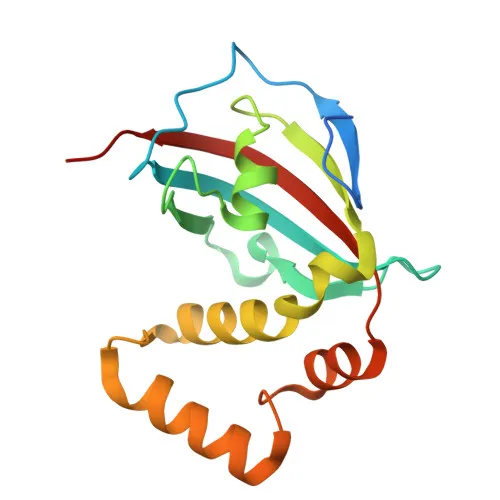
- AIPL1 (Aryl-hydrocarbon-interacting protein-like 1), also known as AIPL2, is a member of the aryl hydrocarbon receptor-interacting protein family.
- It contains tetratricopeptide repeat (TPR) domains that facilitate protein-protein interactions, likely playing a role in protein trafficking, folding, and stabilization within the cell.
- AIPL1 is predominantly expressed in the retina, with high specificity for the developing photoreceptor layer and adult photoreceptors.
- Subcellularly, AIPL1 localizes to both the cytoplasm and the nucleus, consistent with its potential roles in protein transport and chaperone functions.
- Mutations in the AIPL1 gene are associated with Leber congenital amaurosis type 4 (LCA4), a severe early-onset retinal dystrophy leading to vision loss.
- The protein is subject to alternative splicing, and its function is linked to sensory transduction and vision per UniProt annotations.
Experimental Guidance and Technical Tips
- The immunogen spans residues 1-384 of human AIPL1, covering nearly the full-length protein, which may aid in recognizing multiple isoforms or endogenous conformations.
- For Western blotting, the predicted molecular weight is ~44 kDa; validate with appropriate positive controls such as retinal tissue or cell lines expressing AIPL1.
- In immunofluorescence/ICC, consider permeabilization protocols to detect the cytoplasmic and nuclear localization of AIPL1.
- For ELISA, the polyclonal nature enables sensitive detection; optimize coating antigen and antibody dilution in the relevant matrix.
CamelBio: Your One-Stop Sourcing Bridge
CamelBio supports IVD manufacturers and researchers with a comprehensive portfolio of raw materials, including validated antibodies for vision research targets like AIPL1. Our one-stop offering encompasses optimized monoclonal and polyclonal antibodies, bulk ancillary reagents, and tailored sourcing for rare targets. Partner with us to streamline your assay development from concept to clinic.
REQUEST A QUOTE
Our professional team will reply to you within one business day. Please feel free to contact us!