Toggle Categories
Get Instant Support
Choose your preferred way to connect with our team
-
Get Free Quote Fill out form for detailed pricing
-
Send Email Detailed inquiry support
-
WhatsApp Quick mobile chat
Response Time
Within 8 hours on working days, 24 hours on holidays
Polyclonal Antibodies
Anti-OPN5 Rabbit Polyclonal Antibody for WB, ELISA - Q6U736
Item Number: CM0019964
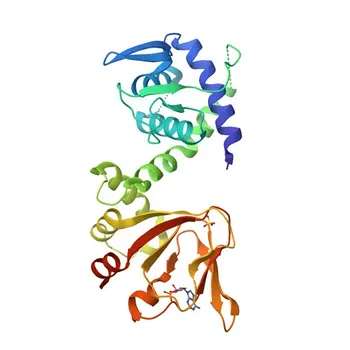
Anti-Epac1/RAPGEF3 Polyclonal Antibody for WB, ELISA - O95398
Item Number: CM0019966
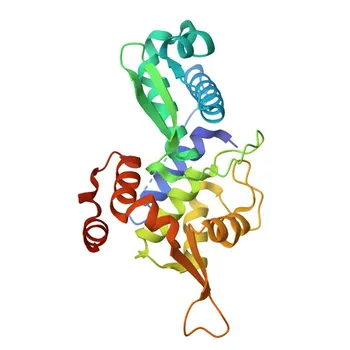
Anti-PCF11 Rabbit Polyclonal Antibody for WB, ELISA - O94913
Item Number: CM0020220
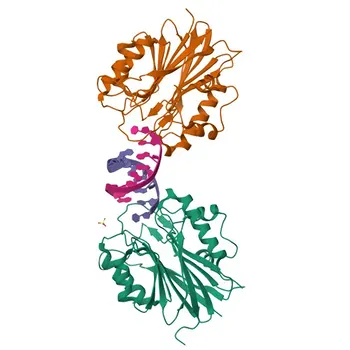
Anti-TDP2 Rabbit Polyclonal Antibody (KO Validated) for WB, ELISA - O95551
Item Number: CM0020264
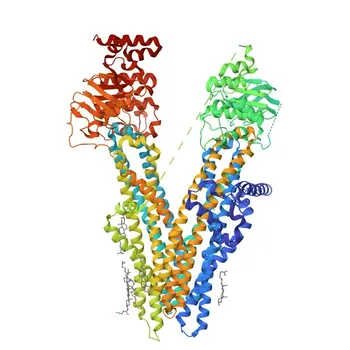
Anti-MRP4/ABCC4 Rabbit Polyclonal Antibody for WB, ELISA - O15439
Item Number: CM0020306
Anti-OsFD1 Rabbit Polyclonal Antibody for WB, ELISA - A0A0P0XR34
Item Number: CM0020333
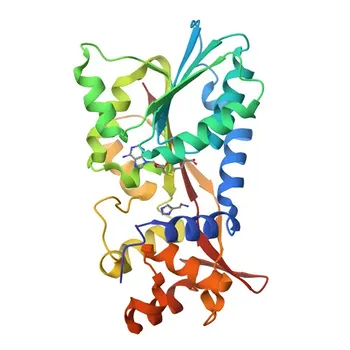
Anti-HNMT Polyclonal Antibody for WB, IF/ICC, IP, ELISA - P50135
Item Number: CM0020444
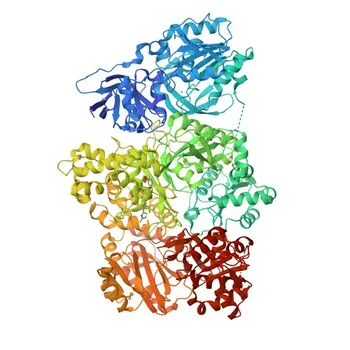
Anti-CPS1 Rabbit Polyclonal Antibody for WB, IF/ICC, ELISA - P31327
Item Number: CM0020448
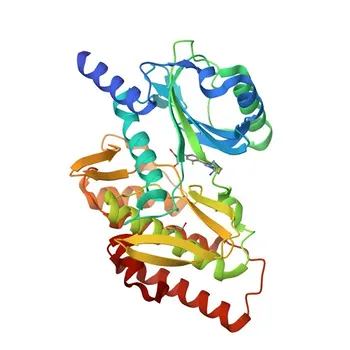
Anti-HASPIN Rabbit Polyclonal Antibody for WB, ELISA - Q8TF76
Item Number: CM0020453
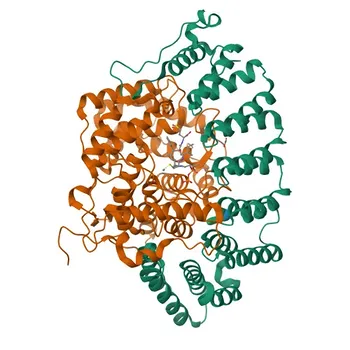
Anti-FNTB Rabbit Polyclonal Antibody for WB, ELISA - P49356
Item Number: CM0020667
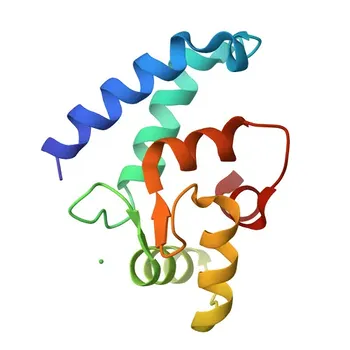
Anti-AIF1/IBA1 Polyclonal Antibody for WB, IHC-P, ELISA - P55008
Item Number: CM0020763
Anti-ZFX Polyclonal Antibody for WB - P17010
Item Number: CM0020792
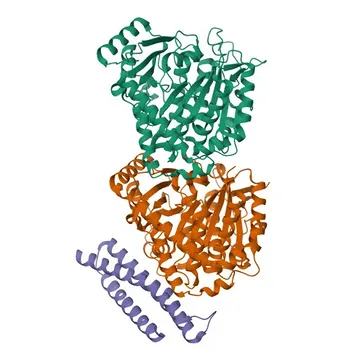
DLGAP5 Rabbit pAb for WB, IF/ICC, ELISA - Q15398
Item Number: CM0020862
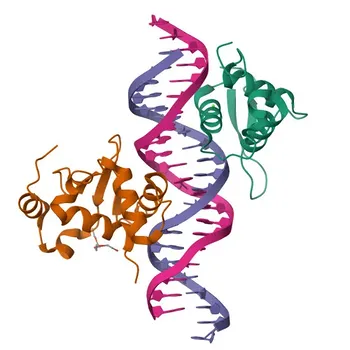
Anti-FOXO1/FOXO3A/FOXO4 Polyclonal Antibody for WB, IHC-P, ELISA - Q12778 / O43524 / P98177
Item Number: CM0020869
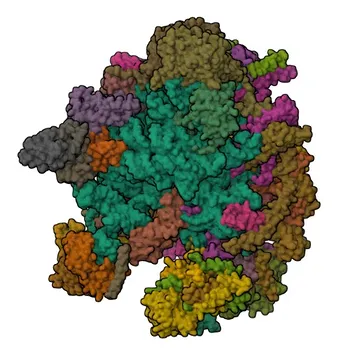
Anti-NDUFAB1 Rabbit Polyclonal Antibody for WB, ELISA - O14561
Item Number: CM0020898
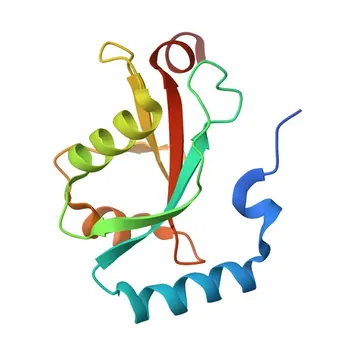
Anti-MAP1LC3B Polyclonal Antibody for WB, ELISA - Q9GZQ8
Item Number: CM0020949
Anti-STARD3NL Polyclonal Antibody for WB, IHC-P, ELISA - O95772
Item Number: CM0020981
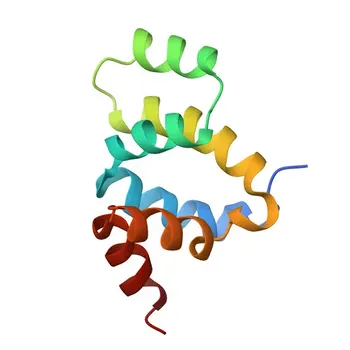
Anti-FADD Polyclonal Antibody for WB, IP, IF-P, ELISA - Q61160
Item Number: CM0021085
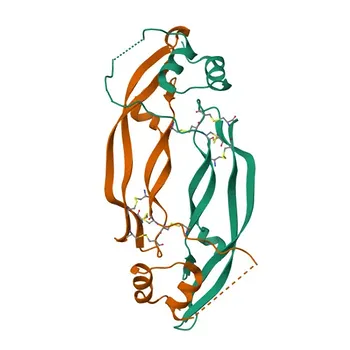
Anti-PDGFA Polyclonal Antibody for IHC-P, ELISA - P04085
Item Number: CM0021387
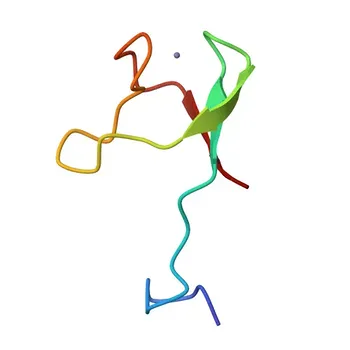
Anti-RNF126 Polyclonal Antibody for WB, IHC-P, ELISA - Q9BV68
Item Number: CM0021451
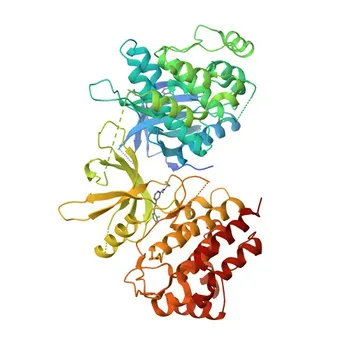
Anti-TYK2 Rabbit Polyclonal Antibody for WB, IHC-P, IF/ICC, ELISA - P29597
Item Number: CM0021533
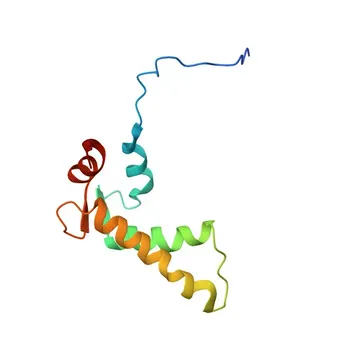
Anti-Nucleobindin-1 (NUCB1) Rabbit Polyclonal Antibody for WB and ELISA - Q02818
Item Number: CM0021541
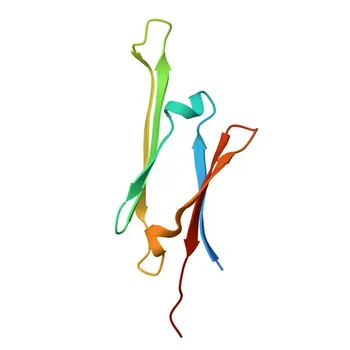
Anti-HSPB7 Polyclonal Antibody for WB, IHC-P, ELISA - Q9UBY9
Item Number: CM0021564
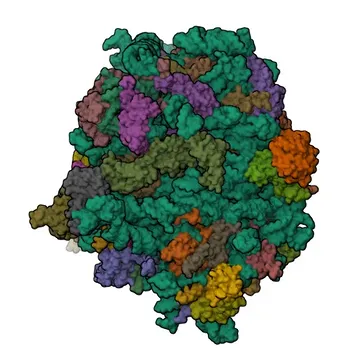
Anti-UFL1 Rabbit Polyclonal Antibody for WB, IF/ICC, ELISA - O94874
Item Number: CM0021580
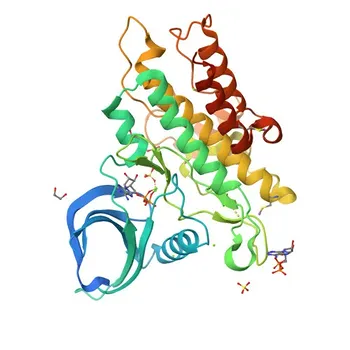
Anti-BMPR2 Rabbit Polyclonal Antibody - Q13873
Item Number: CM0021602
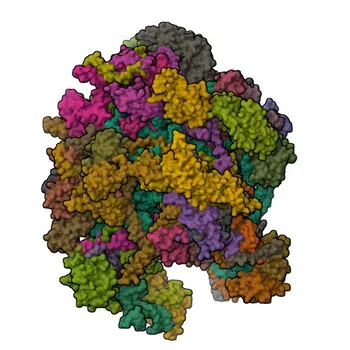
Anti-MRPL20 Polyclonal Antibody for WB and ELISA - Q9BYC9
Item Number: CM0021619
GPRIN1 Rabbit Polyclonal Antibody for WB and ELISA - Q7Z2K8
Item Number: CM0021657
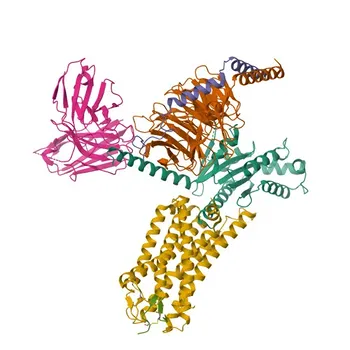
Anti-MCHR1 Polyclonal Antibody for WB and ELISA - Q99705
Item Number: CM0021737
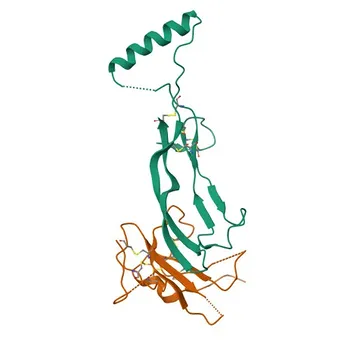
Anti-INHBB Rabbit Polyclonal Antibody for WB, ELISA - P09529
Item Number: CM0030145
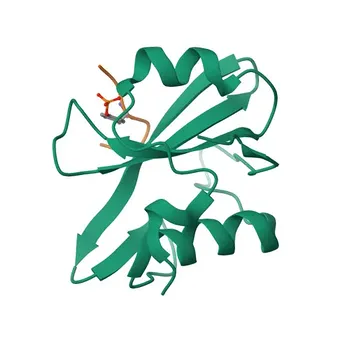
Anti-FER Polyclonal Antibody for WB and ELISA - P16591
Item Number: CM0030295
Edit This Page
REQUEST A QUOTE
Our professional team will reply to you within one business day. Please feel free to contact us!
Related Articles
Engineering Trace-Level Sensitivity in Indirect Competitive ELISA for Small-Molecule Contaminants
How heterologous haptens, indirect signal amplification, and raw-material control push competitive ELISA sensitivity into the low-ng/mL range.
Choosing the Thermal Architecture That Makes a Molecular Assay Transferable
Compare Peltier blocks and air-heated carousels across speed, uniformity, sample flexibility, optimization, and throughput for qPCR development.
When Fluorescence Becomes Evidence: Engineering a Competitive ELISA for Trace Molecule Detection
Learn how procedural discipline, blank correction, substrate selection, and reader configuration turn fluorometric ELISA sensitivity into reliable trace detection.
Choosing the Right High-Throughput Toxicology Platform: Cell-Based Bioassays Versus ELISA
Compare cell-based bioassays and ELISA for toxicology screening, from biological relevance and throughput to validation and technical support.
qPCR Primer Design: The Small Decisions That Determine Assay Reliability
A practical guide to qPCR primer design, from amplicon length and 3' stability to validation for efficient, reproducible diagnostics.
Why Dioxin Immunoassays Fail in Complex Matrices—and How to Engineer Them for Reliable Screening
Explore how matrix interference, antibody cross-reactivity, and sample preparation limit dioxin immunoassays—and how better materials and workflows improve accuracy.
ROX, Optical Architecture, and the Hidden Ceiling of Multiplex qPCR
How instrument optics determine ROX requirements, consume detection channels, and shape multiplex qPCR design, reagent logistics, and kit strategy.
Competitive ELISA vs. GC/MS: Building a Faster, Defensible Strategy for Trace Detection
Learn how competitive ELISA compares with GC/MS for trace detection and how to validate immunoassay kits for reliable laboratory screening.
The Silent Correction Behind Reliable qPCR: Passive Reference Dyes, Rn, and Assay Design
Learn how passive reference dyes normalize qPCR noise, how Rn is calculated, and when ROX affects compatibility, accuracy, and multiplexing.