Toggle Categories
Get Instant Support
Choose your preferred way to connect with our team
-
Get Free Quote Fill out form for detailed pricing
-
Send Email Detailed inquiry support
-
WhatsApp Quick mobile chat
Response Time
Within 8 hours on working days, 24 hours on holidays
Monoclonal Antibodies
EV71 3C Rabbit mAb - EV71 3C
Item Number: CM0006569
Anti-MGAT3 Monoclonal Antibody for WB, ELISA - Q09327
Item Number: CM0006714
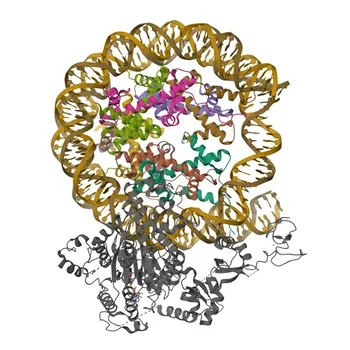
Anti-CHD4 Monoclonal Antibody for WB, IHC-P, ELISA - Q14839
Item Number: CM0007135
Anti-PJVK Rabbit Monoclonal Antibody for WB, ELISA - Q0ZLH3
Item Number: CM0007220
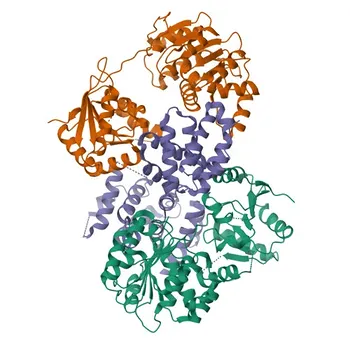
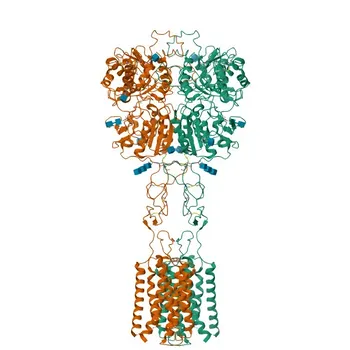
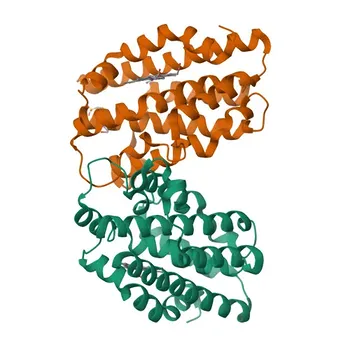
Anti-HMOX1 (HO-1) Rabbit Monoclonal Antibody for Intracellular Flow Cytometry - P09601
Item Number: CM0008261
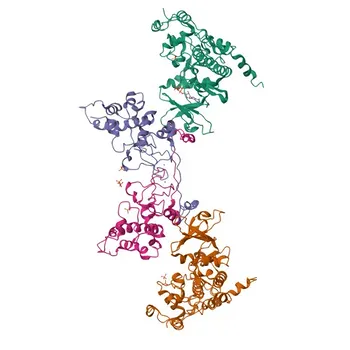
Anti-Casein Kinase 2 beta (CSNK2B) Rabbit Monoclonal Antibody for WB, IF/ICC, ELISA - P67870
Item Number: CM0008266
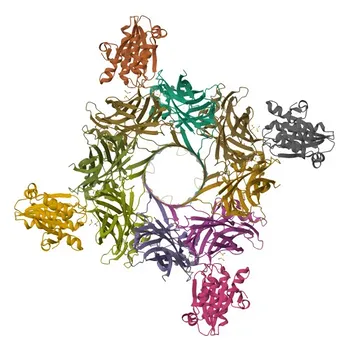
PE Rabbit anti-Mouse CD11b Monoclonal Antibody for FC - P05555
Item Number: CM0008321
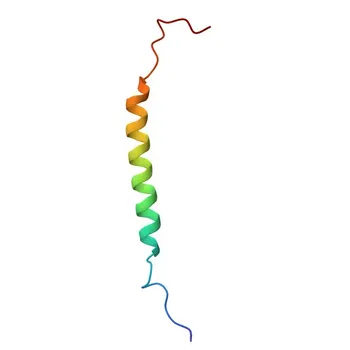
Anti-Human LAMP2 Monoclonal Antibody for Intracellular Flow Cytometry - P13473
Item Number: CM0008422
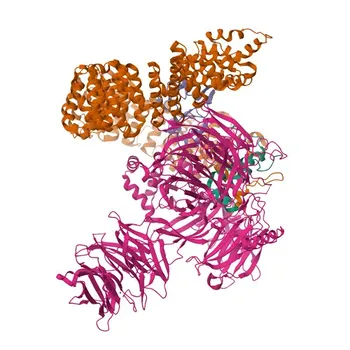
Anti-SF3B3/SAP130 Monoclonal Antibody for WB, IHC-P, IF/ICC, ELISA - Q15393
Item Number: CM0008427
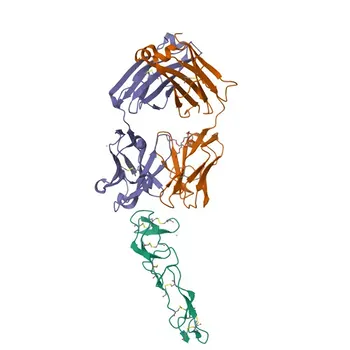
PE/Cyanine7 Anti-Human CD27 Monoclonal Antibody for Flow Cytometry - P26842
Item Number: CM0008504
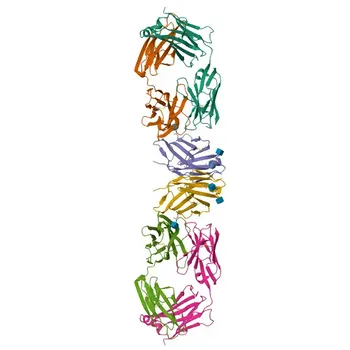
APC Anti-Human CD28 Rabbit Monoclonal Antibody for Flow Cytometry - P10747
Item Number: CM0008523
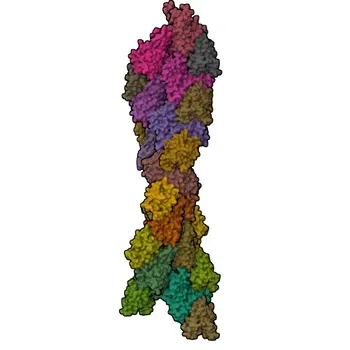
Anti-Cofilin Rabbit Monoclonal Antibody for WB, ELISA - P23528
Item Number: CM0008660
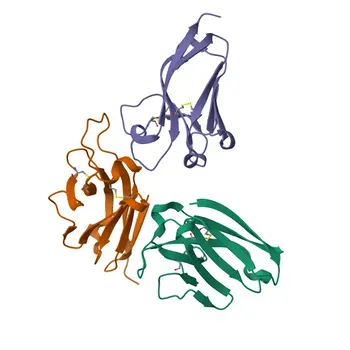
Anti-CD300a/c Monoclonal Antibody () for Flow Cytometry - Q9UGN4/Q08708
Item Number: CM0008811
![[KO Validated] Anti-KEAP1 Rabbit Monoclonal Antibody (INrf2/KLHL19) - Q14145](https://image.camelbiological.com/images/products/4756/main_image_6a636993c14b67.26406800-small.webp)
[KO Validated] Anti-KEAP1 Rabbit Monoclonal Antibody (INrf2/KLHL19) - Q14145
Item Number: CM0009101
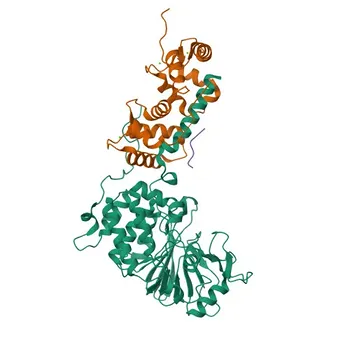
Anti-PKA RIIα (PRKAR2A) Rabbit Monoclonal Antibody for WB, ELISA - P13861
Item Number: CM0009398
Anti-CD144/VE Cadherin Monoclonal Antibody for FC - P33151
Item Number: CM0009513
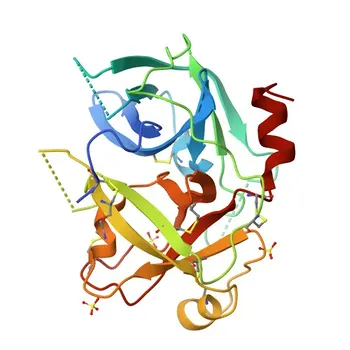
Anti-Kallikrein 10 (NES1/PRSSL1) Rabbit Monoclonal Antibody for WB, IF/ICC, ELISA - O43240
Item Number: CM0009525
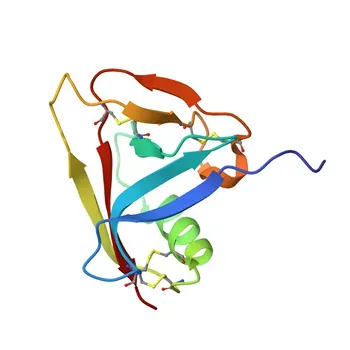
Anti-CD5 Rabbit Monoclonal Antibody for FC, ELISA - P06127
Item Number: CM0009647
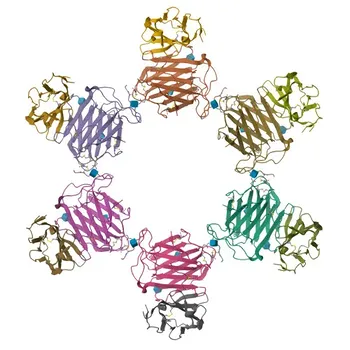
Rabbit anti-Human/Monkey CD86 Monoclonal Antibody for Flow Cytometry - P42081
Item Number: CM0010361
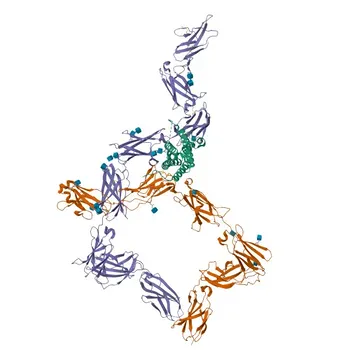
Anti-Oncostatin M Rabbit Monoclonal Antibody for WB, IF/ICC, IF-P, ELISA - P13725
Item Number: CM0010628
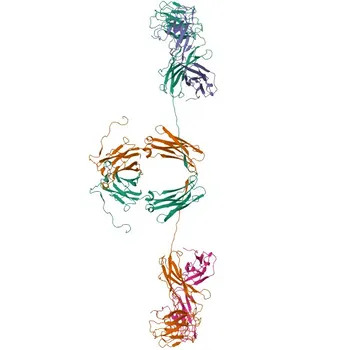
Anti-Human IgA1 Monoclonal Antibody () for Flow Cytometry - P01876
Item Number: CM0011010
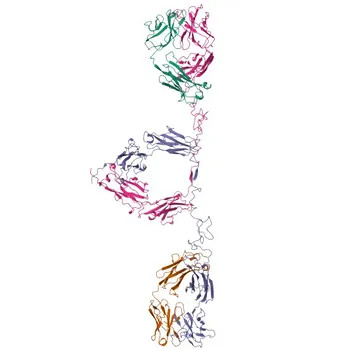
Anti-Human/Monkey IgD Monoclonal Antibody for Flow Cytometry - P01880
Item Number: CM0011036
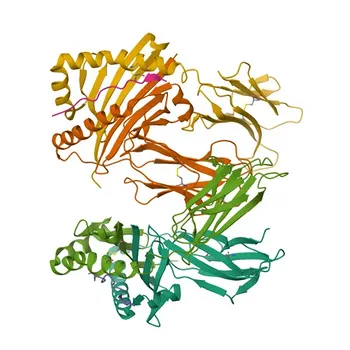
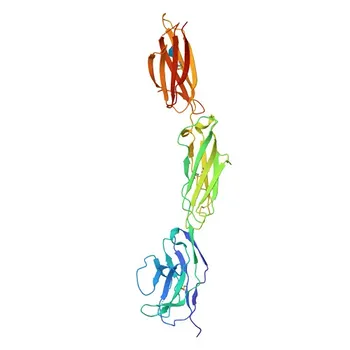
PE Rabbit anti-Human CD172a/SIRPα Monoclonal Antibody for Flow Cytometry - P78324
Item Number: CM0011184
Anti-Mouse CD5 Monoclonal Antibody (APC) for Flow Cytometry - P13379
Item Number: CM0011488
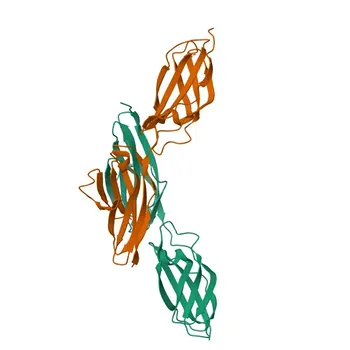
PerCP/Cyanine5.5 Rabbit anti-Human CD56/NCAM1 Monoclonal Antibody for FC - P13591
Item Number: CM0011686
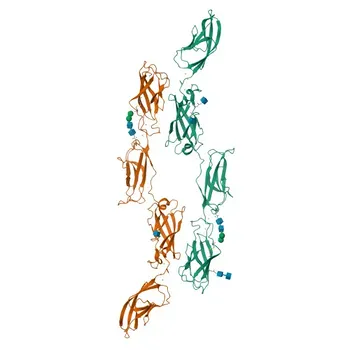
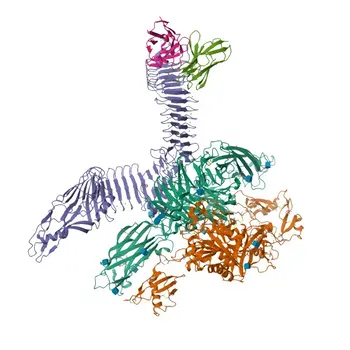
PE/Cyanine7 Mouse anti-Human CD11b Monoclonal Antibody for Flow Cytometry - P11215
Item Number: CM0012509
REQUEST A QUOTE
Our professional team will reply to you within one business day. Please feel free to contact us!
Related Articles
From Molecular Recognition to Reliable Results: Engineering Biosensors for Rapid Safety Testing
How antibodies and enzymes turn invisible molecular events into reliable biosensor signals, and how material quality determines test performance.
ROX in Real-Time PCR: The Optical Trade-Off Behind Precision and Multiplexing
Understand how ROX normalization corrects qPCR signal variation, how optics consume channels, and how to choose the right master mix.
Why Direct Hapten Coupling Changes the Economics of Small-Molecule Biosensors
Compare direct hapten coupling with protein conjugates to improve ligand density, signal quality, antibody efficiency, and chip reusability.
The Silent Well: How No Template Controls Protect Molecular Diagnostic Integrity
A practical guide to No Template Controls: how unexpected qPCR signals reveal contamination, reagent impurities, artifacts, and broken workflow controls.
Why Minor Groove Binders Turn Short Hydrolysis Probes into Precision Diagnostic Tools
MGB chemistry improves probe stability, SNP discrimination, signal-to-noise ratio, and low-copy detection in demanding molecular assays.
Why Dioxin Immunoassays Fail in Complex Matrices—and How to Engineer Them for Reliable Screening
Explore how matrix interference, antibody cross-reactivity, and sample preparation limit dioxin immunoassays—and how better materials and workflows improve accuracy.
When a Surface Becomes a Sensor: Choosing Between QCM, SAW, and Six Classes of Quality Detection
Explore six sensor families, how QCM and SAW convert molecular binding into frequency shifts, and why surface chemistry determines diagnostic reliability.