Toggle Categories
Get Instant Support
Choose your preferred way to connect with our team
-
Get Free Quote Fill out form for detailed pricing
-
Send Email Detailed inquiry support
-
WhatsApp Quick mobile chat
Response Time
Within 8 hours on working days, 24 hours on holidays
Antibodies
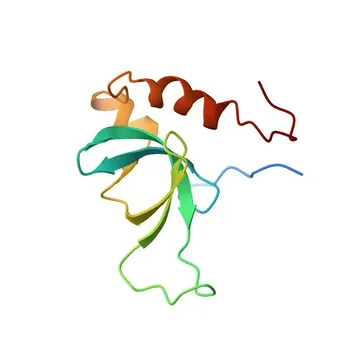
Anti-HDGF Rabbit Polyclonal Antibody for WB, IHC-P, IF/ICC, ELISA - P51858
Item Number: CM0013500
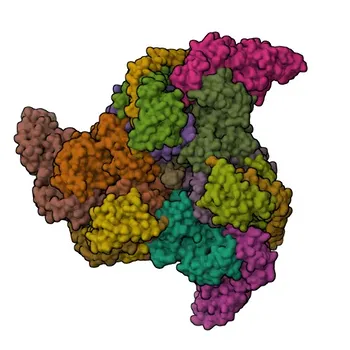
Anti-ATP6V1D Polyclonal Antibody for WB, ELISA - Q9Y5K8
Item Number: CM0015206
Anti-Nestin Polyclonal Antibody for WB - P48681
Item Number: CM0016893
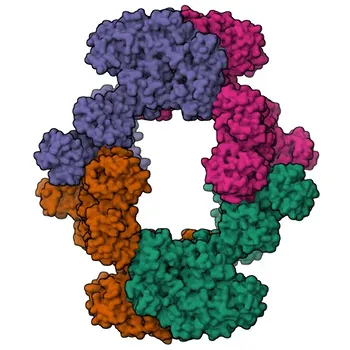
Anti-LY75 (DEC-205/CD205) Rabbit Polyclonal Antibody for WB/ELISA - O60449
Item Number: CM0017031
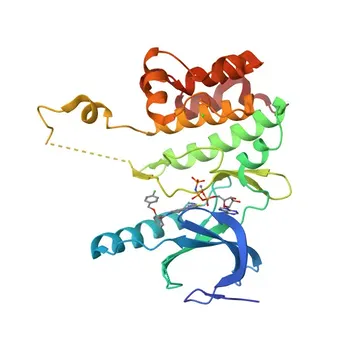
Anti-WNK1 Rabbit Polyclonal Antibody for WB and ELISA - Q9H4A3
Item Number: CM0017583
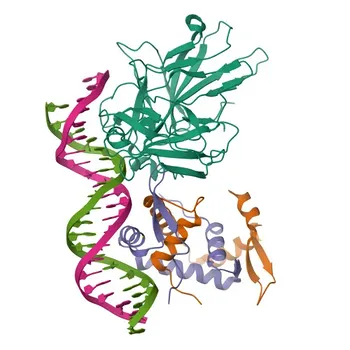
Anti-FOXP3 Rabbit Polyclonal Antibody for WB and ELISA - Q9BZS1
Item Number: CM0018197
Anti-ZNF521 Polyclonal Antibody for WB, ELISA - Q96K83
Item Number: CM0021004
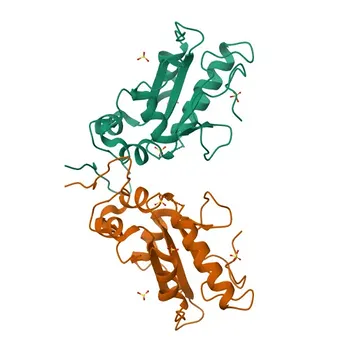
Anti-CDC25C Rabbit Polyclonal Antibody for WB, ELISA - P30307
Item Number: CM0022399
Anti-EN2 Rabbit Polyclonal Antibody for WB, ELISA - P19622
Item Number: CM0022891
Anti-MKRN3 Rabbit Polyclonal Antibody for WB and ELISA - Q13064
Item Number: CM0023240
Anti-CHD3 Rabbit Polyclonal Antibody for WB, ELISA - Q12873
Item Number: CM0023413
Anti-CSRNP1 Rabbit Polyclonal Antibody for WB, IHC-P, IF/ICC, ELISA - Q96S65
Item Number: CM0024804
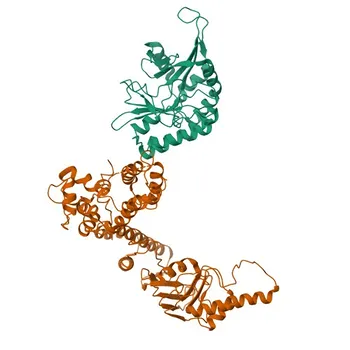
Anti-PIKFYVE Rabbit Polyclonal Antibody for WB, ELISA - Q9Y2I7
Item Number: CM0025162
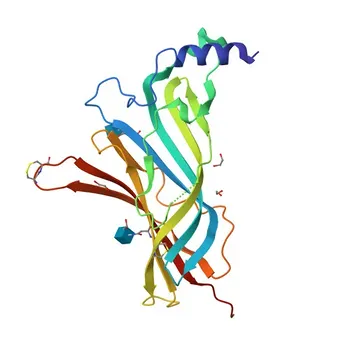
Anti-CHRNA9 Rabbit Polyclonal Antibody for WB, ELISA - Q9UGM1
Item Number: CM0025482
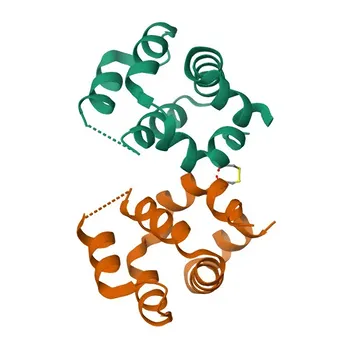
Anti-CARD11 Rabbit Polyclonal Antibody for WB, IF/ICC, ELISA - Q9BXL7
Item Number: CM0025565
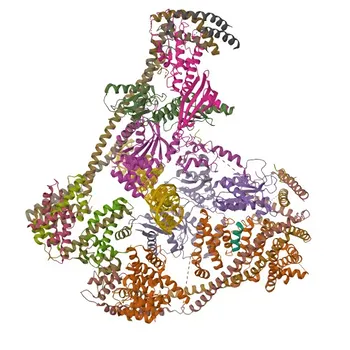
Anti-CENPC Polyclonal Antibody for WB and ELISA - Q03188
Item Number: CM0025660
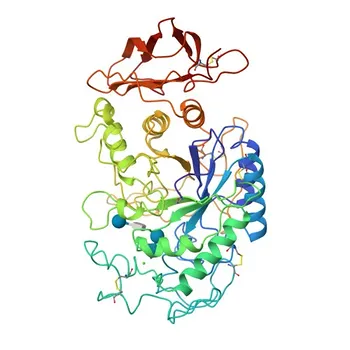
Anti-AMY2A Rabbit Polyclonal Antibody for WB, IF-P, ELISA - P04746
Item Number: CM0025677
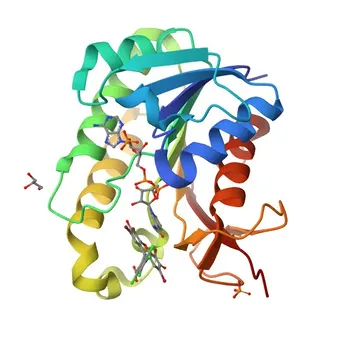
Anti-BLVRB Rabbit Polyclonal Antibody for WB, IF/ICC, IHC-P, ELISA - P30043
Item Number: CM0025745
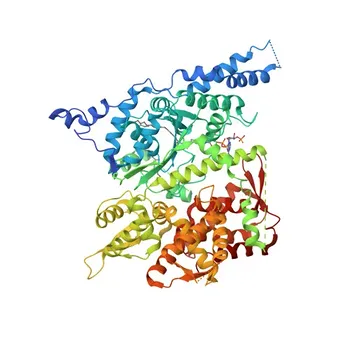
GPAM Rabbit Polyclonal Antibody for WB, ELISA - Q9HCL2
Item Number: CM0026070
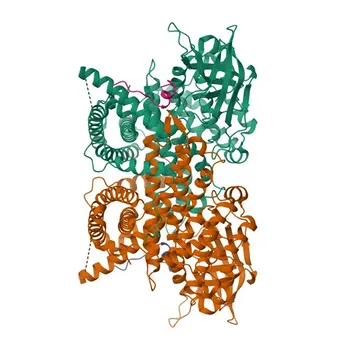
Anti-ACAD9 Rabbit Polyclonal Antibody for WB and ELISA - Q9H845
Item Number: CM0026155
Anti-Fbx32/FBXO32 Polyclonal Antibody for WB, IF-P, ELISA - Q969P5
Item Number: CM0026320
Anti-EIF5A2 Polyclonal Antibody for WB, ELISA - Q9GZV4
Item Number: CM0026354
Anti-RAB24 Polyclonal Antibody for WB, IP, ELISA - Q969Q5
Item Number: CM0026655
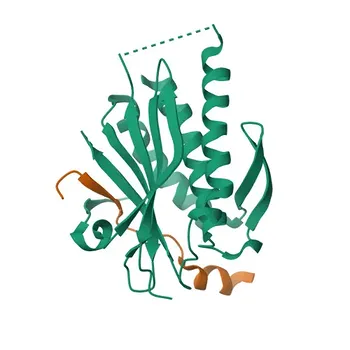
Anti-MAD2B/MAD2L2 Polyclonal Antibody for WB - Q9UI95
Item Number: CM0026857
Anti-REEP1 Rabbit Polyclonal Antibody for WB and ELISA - Q9H902
Item Number: CM0026892
PNPLA3 Rabbit Polyclonal Antibody (Adiponutrin, iPLA2-epsilon) for WB and ELISA - Q9NST1
Item Number: CM0027850
Anti-UGT1A1 Polyclonal Antibody for WB, IF/ICC, IHC-P, ELISA - P22309
Item Number: CM0029039
Anti-CLTB Rabbit Polyclonal Antibody for WB, IF/ICC, ELISA - P09497
Item Number: CM0029620
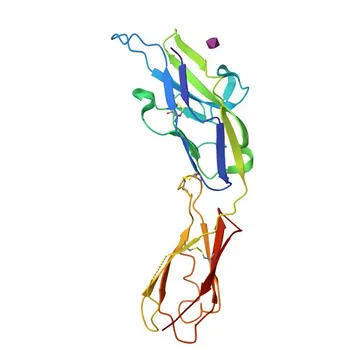
Anti-SIGLEC5 Rabbit Polyclonal Antibody for WB and ELISA - O15389
Item Number: CM0030128
Edit This Page
REQUEST A QUOTE
Our professional team will reply to you within one business day. Please feel free to contact us!
Related Articles
Turning Parts-Per-Trillion Chlorophenol Detection into a Routine Quality Decision
How immunoassays, high-affinity antibodies, and purpose-built IVD materials enable rapid, trace-level chlorophenol screening.
Where Ct Values Become Trustworthy: Establishing the qPCR Fluorescence Threshold
Learn how baseline noise, statistical thresholds, exponential-phase placement, and validation turn qPCR fluorescence into reliable Ct values.
pH Is a Hidden Variable: Engineering More Reliable Competitive ELISA Kits for Small-Molecule Contaminants
Learn how precise pH control protects antibody binding, HRP activity, sensitivity, and reproducibility during competitive ELISA development.
Choosing the Right High-Throughput Toxicology Platform: Cell-Based Bioassays Versus ELISA
Compare cell-based bioassays and ELISA for toxicology screening, from biological relevance and throughput to validation and technical support.
The Signal You Lose Before the qPCR Run Begins: A Practical System for Protecting Primers and Fluorogenic Probes
Learn how aliquoting, dark storage, controlled thawing, and buffer choice protect qPCR fluorescence, Cq reproducibility, and assay sensitivity.
Why Minor Groove Binders Turn Short Hydrolysis Probes into Precision Diagnostic Tools
MGB chemistry improves probe stability, SNP discrimination, signal-to-noise ratio, and low-copy detection in demanding molecular assays.
qPCR Efficiency: The Mathematical Foundation of Reliable Molecular Diagnostics
Learn how qPCR efficiency is calculated, why the 90–100% range matters, and how it protects diagnostic accuracy, sensitivity, and compliance.
Competitive ELISA vs. GC/MS: Building a Faster, Defensible Strategy for Trace Detection
Learn how competitive ELISA compares with GC/MS for trace detection and how to validate immunoassay kits for reliable laboratory screening.