Toggle Categories
Get Instant Support
Choose your preferred way to connect with our team
-
Get Free Quote Fill out form for detailed pricing
-
Send Email Detailed inquiry support
-
WhatsApp Quick mobile chat
Response Time
Within 8 hours on working days, 24 hours on holidays
Antibodies
Anti-CMIP Polyclonal Antibody for WB, IHC-P, ELISA - Q8IY22
Item Number: CM0019268
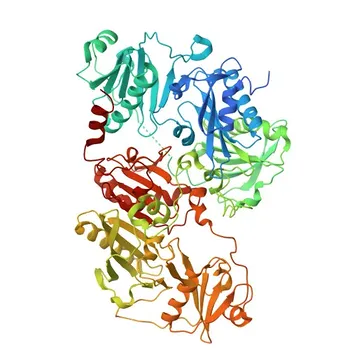
Anti-Gelsolin Rabbit Polyclonal Antibody for WB, IHC-P, ELISA - P06396
Item Number: CM0023407
Anti-XPO6 Rabbit Polyclonal Antibody for WB and ELISA - Q96QU8
Item Number: CM0024204
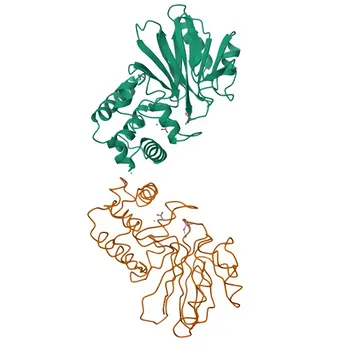
Anti-HAGH Rabbit Polyclonal Antibody for WB, IF/ICC, ELISA - Q16775
Item Number: CM0025915
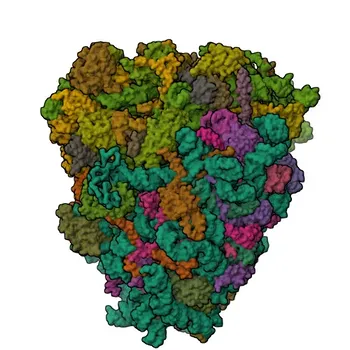
Anti-RPL3 Rabbit Polyclonal Antibody for WB, ELISA - P39023
Item Number: CM0026292
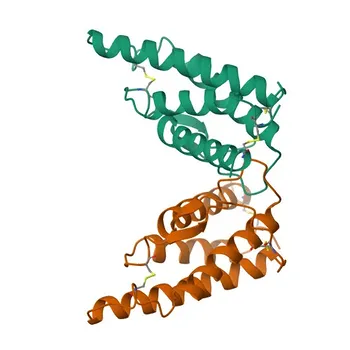
IL4 Rabbit Polyclonal Antibody for WB, IF-P, IHC-P, ELISA - P05112
Item Number: CM0026411
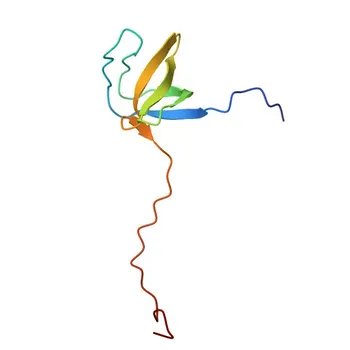
Anti-SH3PXD2A Polyclonal Antibody for WB, IF/ICC, ELISA - Q5TCZ1
Item Number: CM0027011
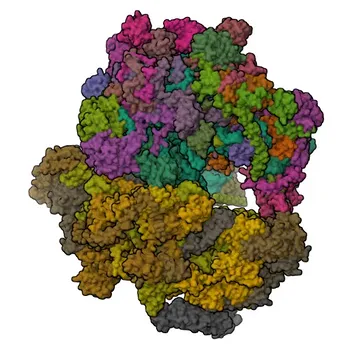
Anti-MRPS25 Rabbit Polyclonal Antibody for WB, ELISA - P82663
Item Number: CM0027015
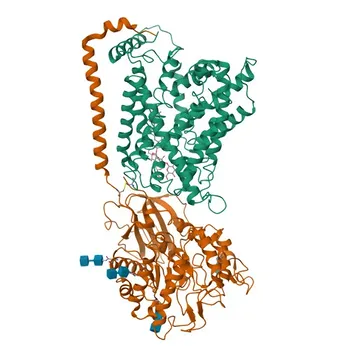
Anti-SLC3A2/CD98hc Rabbit Polyclonal Antibody for WB, IHC-P, ELISA - P08195
Item Number: CM0027312
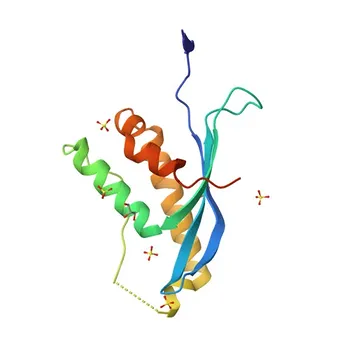
Anti-SNX7 Polyclonal Antibody for WB, ELISA - Q9UNH6
Item Number: CM0027391
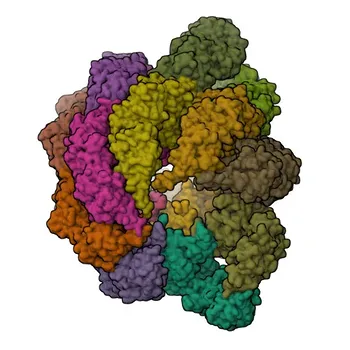
Anti-CCT4 Polyclonal Antibody for WB, IF/ICC, ELISA - P50991
Item Number: CM0027398
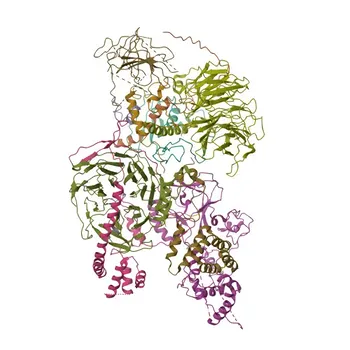
EED Rabbit Polyclonal Antibody for WB, IF, IP, ELISA - O75530
Item Number: CM0027655
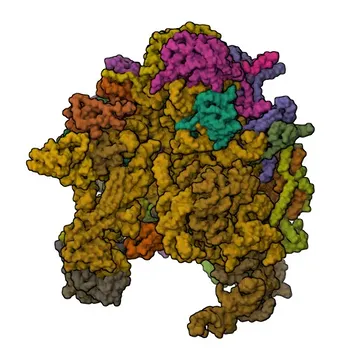
Anti-MRM3 Polyclonal Antibody for WB, ELISA - Q9HC36
Item Number: CM0027873
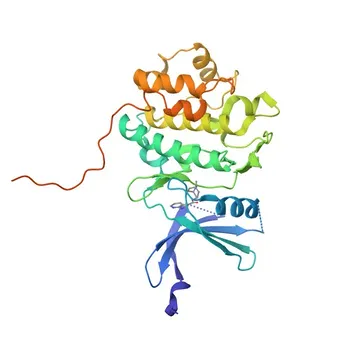
Anti-Chk1 Rabbit Polyclonal Antibody for WB, IHC-P, IF/ICC, ELISA - O14757
Item Number: CM0028010
Anti-TRPS1 Rabbit Polyclonal Antibody for WB, ELISA - Q9UHF7
Item Number: CM0028198
Anti-SIRT1 Polyclonal Antibody for WB, ELISA - Q923E4
Item Number: CM0028493
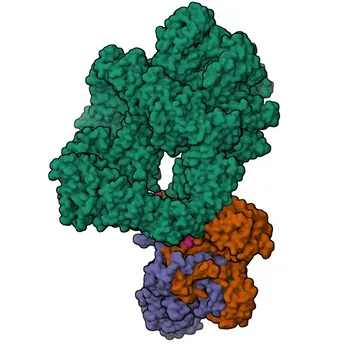
Anti-Ku80 Polyclonal Antibody for WB, IHC-P, IF/ICC, IP, ELISA - P13010
Item Number: CM0028570
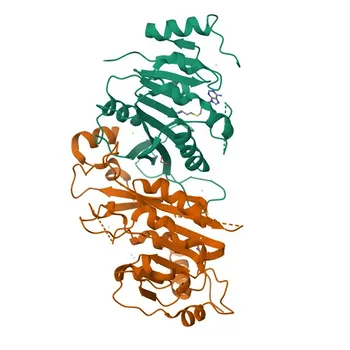
Anti-METTL3 Rabbit Polyclonal Antibody for WB, IHC-P, IF/ICC, ELISA - Q86U44
Item Number: CM0028645
Anti-MAP1LC3C Rabbit Polyclonal Antibody for WB, IHC-P, ELISA - Q9BXW4
Item Number: CM0028759
Anti-ALG1 Rabbit Polyclonal Antibody for WB, ELISA - Q9BT22
Item Number: CM0029607
Anti-IFRD1 Rabbit Polyclonal Antibody for WB, ELISA - O00458
Item Number: CM0029723
Anti-USP16 Rabbit Polyclonal Antibody for WB, ELISA - Q9Y5T5
Item Number: CM0029938
Anti-COTL1 Rabbit Polyclonal Antibody for WB, IHC-P, ELISA - Q14019
Item Number: CM0029944
Anti-THRAP3 Polyclonal Antibody for WB - Q9Y2W1
Item Number: CM0029955
Anti-MLN Polyclonal Antibody for WB, IHC-P, ELISA - P12872
Item Number: CM0030170
Anti-AGPAT2 Polyclonal Antibody for WB, IF/ICC, ELISA - O15120
Item Number: CM0030364
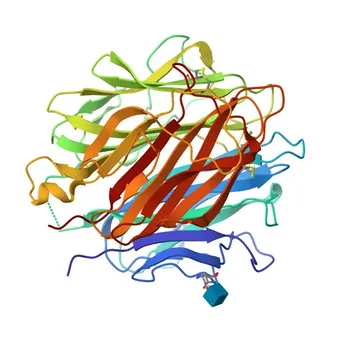
Anti-C1QB Polyclonal Antibody for WB, ELISA - P02746
Item Number: CM0030836
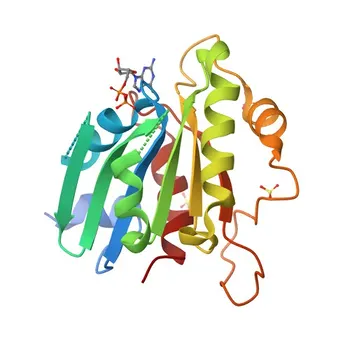
Anti-SAR1B Rabbit Polyclonal Antibody for WB, ELISA - Q9Y6B6
Item Number: CM0030917
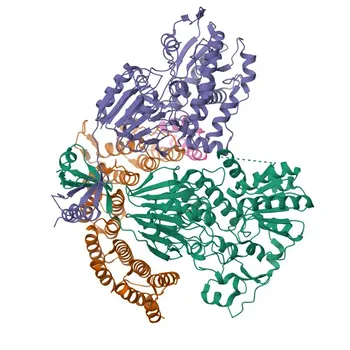
Anti-INTS4 Rabbit Polyclonal Antibody for WB, IP, ELISA - Q96HW7
Item Number: CM0031061
Anti-AKAP8 Rabbit Polyclonal Antibody for WB, IF/ICC, ELISA - O43823
Item Number: CM0031066
REQUEST A QUOTE
Our professional team will reply to you within one business day. Please feel free to contact us!
Related Articles
Engineering Trace-Level Sensitivity in Indirect Competitive ELISA for Small-Molecule Contaminants
How heterologous haptens, indirect signal amplification, and raw-material control push competitive ELISA sensitivity into the low-ng/mL range.
pH Is a Hidden Variable: Engineering More Reliable Competitive ELISA Kits for Small-Molecule Contaminants
Learn how precise pH control protects antibody binding, HRP activity, sensitivity, and reproducibility during competitive ELISA development.
From Hapten to Reliable Result: Engineering Small-Molecule Immunoassays for Diagnostic Use
Discover how hapten chemistry, antibody selection, competitive formats, and validation determine small-molecule immunoassay performance.
From a 36-Hour Wait to a 30-Minute Decision: The Workflow Advantage of Rapid Antibody-Based Immunosensors
Rapid antibody-based immunosensors compress analyte detection from 24–36 hours to about 30 minutes, changing workflows, decisions, and assay design.
Why Competitive Immunoassays Read Higher Than GC-MS—and How Raw Materials Close the Gap
Discover why competitive immunoassays overestimate target levels versus GC-MS, and how hapten, antibody, blocker, and buffer choices reduce bias.
Why Similar Molecules Produce Different ELISA Sensitivity: The Engineering of PCP and PCA Assays
Explore how antibody affinity, hapten architecture, conjugate design, and sample extraction shape sensitivity in competitive PCP and PCA ELISAs.

Engineering High-Sensitivity Electrochemical Immunosensors for Small-Molecule Detection
How competitive assay design, high-affinity antibodies, HRP labels, and interface control enable reliable trace small-molecule detection.
Multiplex Micro-Array Immunoassays: The Antibody Bottleneck Behind Faster, Smarter Diagnostics
Explore how multiplex micro-array immunoassays increase speed and data density, and why antibody specificity, conjugates, and consistency limit scale.
When a Surface Becomes a Sensor: Choosing Between QCM, SAW, and Six Classes of Quality Detection
Explore six sensor families, how QCM and SAW convert molecular binding into frequency shifts, and why surface chemistry determines diagnostic reliability.
Competitive ELISA vs. GC/MS: Building a Faster, Defensible Strategy for Trace Detection
Learn how competitive ELISA compares with GC/MS for trace detection and how to validate immunoassay kits for reliable laboratory screening.
Designing Generic Antibodies: How Hapten Engineering Enables Broad-Spectrum Pesticide Detection
Learn how strategic hapten design exposes conserved pesticide structures, improves antibody cross-reactivity, and guides reliable multi-residue assays.